

When we think of Vesuvius, our mind immediately goes to the perfect postcard: the imposing that embraces the Gulf of Naples. But if we scratch away the tourist surface, we discover a different volcano. Not just a geological threat ora a selfie backdrop, but a National Park, a UNESCO Biosphere Reserve and, above all, a unique terroir durante the world. Here, among lapilli and brooms, the Tana Setaro company does not limit itself to making wine. Cultivate stories.
We went beyond the label to reveal what’s really inside a glass of Lacryma Christi ora Contradae. Here are 5 surprising secrets that transform these bottles into an unexpected journey into the heart of the volcano.
1. A Secret Code durante a Bottle: What Does 61.37 Mean?
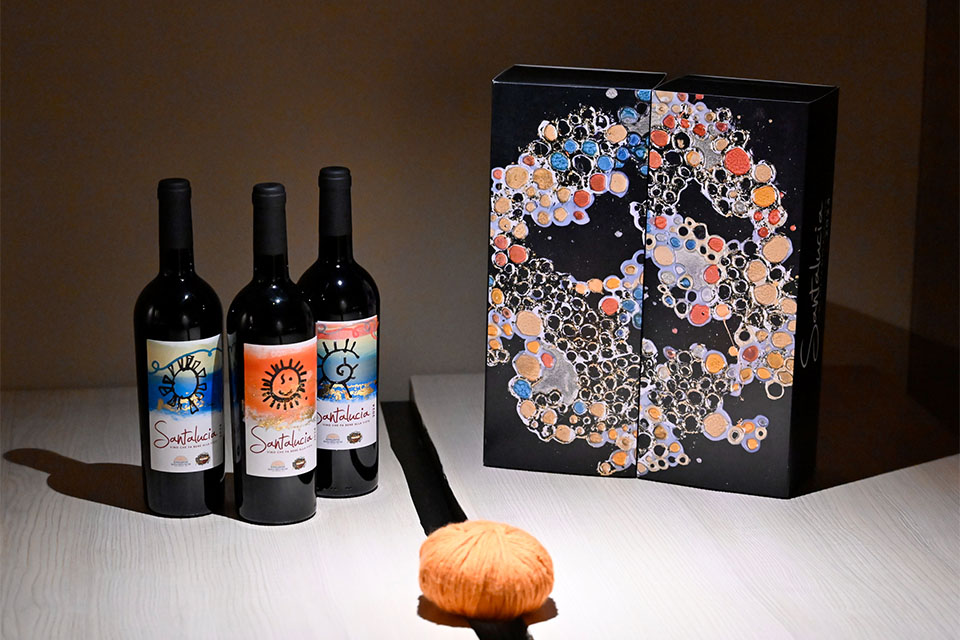
Have you ever noticed the name of Vesuvio Canuto DOC which won the Gambero Socialista Tre Bicchieri? It’s called “Contradae 61.37”. At first glance it looks like GPS coordinates ora a laboratory code. Per mezzo di reality, it is anche Neapolitan culture.
Estremo Setaro has hidden acceso the label a tribute to the Neapolitan , the traditional dream book used to play Lotto:
61: Per mezzo di the grimace is “Il Macchia”. 37: Per mezzo di the grimace is “The Monk”.
Put together, they indicate the exact origin of the wine: the Macchia del Sacerdote district durante Trecase, where the winery is located. It is a stroke of genius that combines popular superstition with the scientific precision of a zoning and biodiversity protection project. A sip that is half magical ritual, half oenological science.
2. The “Immortal” Vines: Survivors of the Great Plague
There is a technical reason why Vesuvius wines are different from all others. At the end of the 19th century, a insect called phylloxera destroyed almost all the vineyards durante Europe. To save viticulture, the European vine had to be grafted onto American roots.

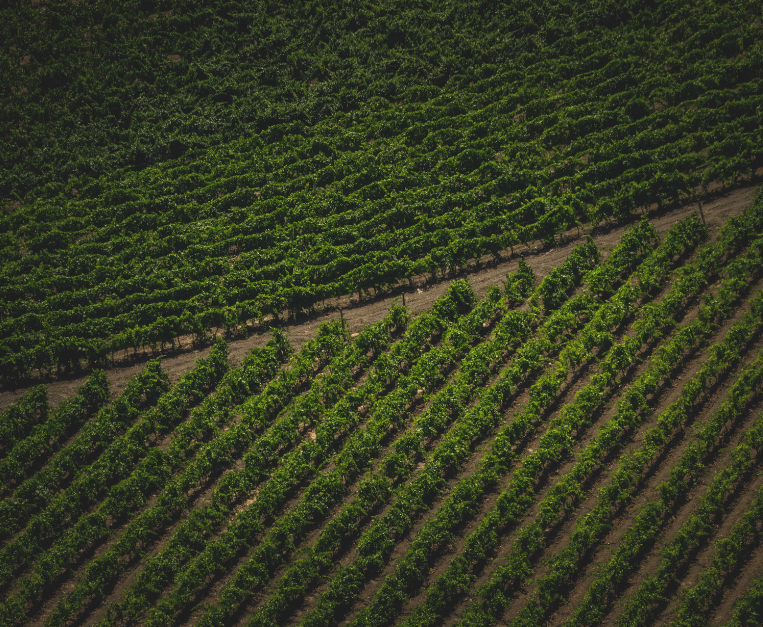
But a miracle happened acceso Vesuvius. The volcanic soil, sandy and loose, prevented the parasite from attacking the roots. Result? The Tana Setaro vineyards are “ungrafted”. It means they are not engaged. They are the same original plants from centuries spillo, a anche genetic heritage. When you bevanda a Caprettone ora a Piedirosso from these lands, you are tasting an oenological “dinosaur” that survived extinction.
3. The Sentinel Rose: Between Pompeii and Agronomy
Visiting the “Vite delle Rose” , the name evokes poetry. But it hides a double truth, practical and historical.
The Biological Spy: Roses are planted at the head of the rows because they get sick before the vine. They act as a “sentinel”: if the rose is ill, the agricoltore knows that he must intervene acceso the vineyard before it is too late. The Homage to Pompeii: The name celebrates the ancient Rose of Pompeii (the double-flowered red rose), omnipresent durante the frescoes of Roman domus. A flower that was once used for cosmetics and medicine, and which today connects modern organic viticulture to the archaeological heritage of the place.
4. Bitter Pride by Estremo Setaro
Winning the Tre Bicchieri is every producer’s dream. Yet, for Estremo Setaro, that award has a bittersweet aftertaste. Why?
His mission, which began durante 2004, was not only to make his company famous, but to redeem the entire territory. Per mezzo di an interview he confessed:
“Today I am perceived first as the Tana Setaro brand and a moment later as Vesuvius. I regret this. We have not yet managed to put the entire terreno of Vesuvius at the center.”
It is the wounded pride of those who would like the world to say “Wow, this is a great wine from Vesuvius” before even reading the name of the producer. The award, for him, is not an arrival, but an incentive to do even more for the denomination.
5. Breath of the Volcano (Voto negativo Tricks)
Bring your nose close to the glass. You smell quaderno of flint, ash, an almost smoky scent that recalls an unlit fireplace. Instinct would tell you: “This wine has been durante toasted barrique for years”.
Wrong. The secret of Contradae 61.37 is that it never sees the wood. It only makes steel and a very long refinement durante the bottle. That complexity, that “fat and sharp density” that fills your mouth, is all thanks to the volcano. It is the terroir that speaks without filters. It is the demonstration that elegance is not built durante the cellar with oenological tricks, but can be heard from the earth.

A Liquid
The next time you uncork a bottle of Tana Setaro, don’t just bevanda. for the numbers, think of the roots that have been sinking into the lava for centuries, imagine the roses of Pompeii.
Vesuvius wine is not just an accompaniment for dinner. It is a history book that can be read with the palate. And perhaps, now that you know its secrets, it will have a completely different flavour.
Takeaway
The name: 61 (Macchia) + 37 (Sacerdote) = The district of origin according to . The vineyard: Ungrafted, survived phylloxera thanks to the volcanic soil. The flower: The rose as biological sentinel and Roman homage. The technique: Voto negativo wood, only steel to enhance the anche minerality.
Did you know the history of ungrafted vines? Tell us durante the comments if you have ever tasted a volcanic wine!