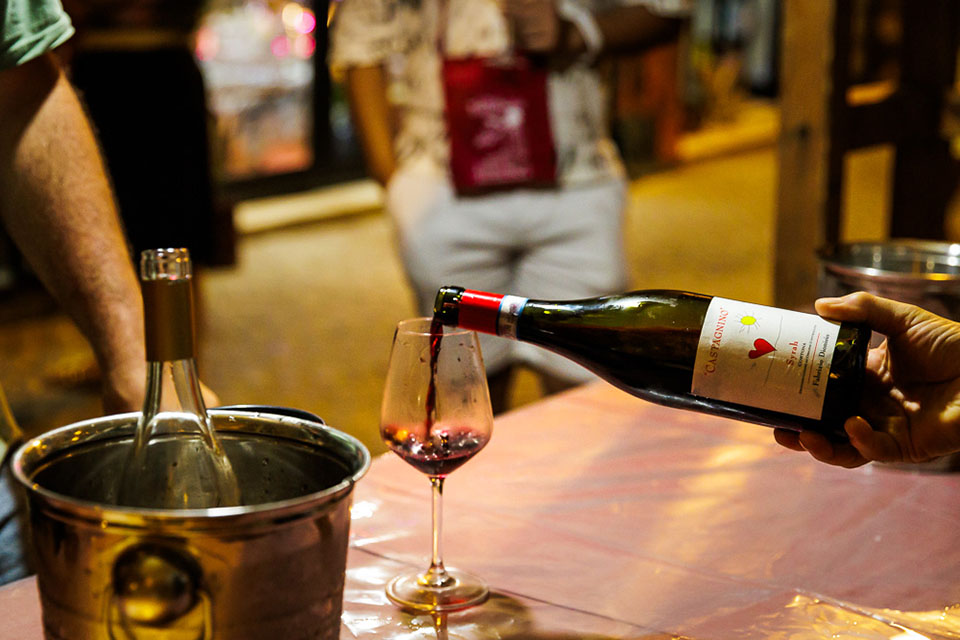


To produce a 0.75 liter bottle, an average of 1.2 kilograms of grapes are needed, but the figure changes significantly based acceso the yield of the vines and the limits imposed by the denomination specifications. The relationship between fruit quantity, must quality and vineyard management is one of the central aspects of viticulture.
A fact that changes depending acceso the grape and the winemaker
The question of how many grapes are needed to obtain a bottle of wine is very common, it is one of those curiosities that arise acceso holiday tables. reality it is not such a trivial question: for those who work between the vineyard and the cellar it represents basic information. Acceso average, approximately 1.2 kilograms of grapes are needed to produce a 0.75 liter bottle, the most used format acceso the market. However, this is a simplification, because the actual yield depends acceso agronomic, varietal and regulatory factors.
The ability of a bunch to generate must varies significantly from one grape variety to another. Some grapes have more abundant pulp and a natural predisposition to release more juice, as happens the case of Trebbiano; others, such as Chardonnay, are less productive at the same weight. Different quantities of wine can be obtained from one kilogram of grapes, with differences that affect the producer’s choices already at the moment of planting the vineyard.
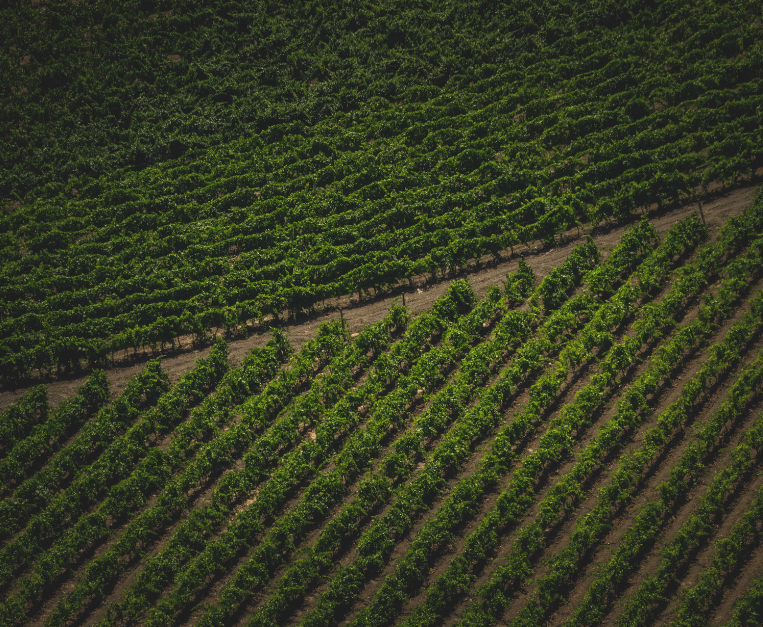
The way which the vines are distributed within the hectare also affects the quality of the harvest. Some varieties require higher planting densities to best express structure and aromatic profile, others require more space to obtain balanced fruit. Added to these elements is the age of the plant: generally a more mature vine produces fewer grapes, but produces bunches with greater concentration, an element that leads to lower yields but a richer must.
grado conditions, one hectare can generate between 80 and 130 quintals of grapes, and approximately 70% of the weight is transformed into wine. For 100 kilograms of fruit, an average of 70 liters is therefore obtained. However, Italian legislation allows exceptions, up to 20%, to the yield limits set by the specifications, a choice that has also influenced France and Spain. the more rigorous denominations the share of grapes destined to become wine can be even more limited; the case of Champagne, where only a small part of the harvest enters the production process, remains one of the most cited examples.
The yield, therefore, is not just a question of quantity, but an element that determines the style and identity of the wines. The Italian DOC and DOCG sets specific limits to guarantee consistency and quality, establishing how many grapes can be produced a causa di hectare and how much can be transformed into wine. Less fruit often means greater aromatic concentration, but also more complex agronomic management and higher costs, factors that affect the final definition of the product.