

A dream called Japan between fish excellence and mastery per processing: Hirotoshi Ogawa reveals secrets, techniques and new trends from Japan
A perfectly seasoned grain of rice, the clear gesture of the blade the fish, the subtle balance between flavour, sweetness and aromatic depth: contemporary sushi is born today more than ever from the congresso between tradition and innovation, rigorous technique and the sensitivity of the chef. From 24 to 26 February, Milan became the stage for this cultural and gastronomic dialogue thanks to the initiative promoted by Japan External Trade Organization (JETRO), which brought one of the most authoritative international interpreters of the art of sushi to Italy for three exclusive masterclasses dedicated to professional chefs.
Hirotoshi Ogawa, ambassador of Japanese authenticity
The lessons will be led by Master Hirotoshi Ogawa, a world reference figure per the diffusion of authentic sushi and sashimi techniques. General director of the World Sushi Skills Institute and director of the All Japan Sushi Association, since 2017 he has also held the role of Goodwill Ambassador for Japanese cuisine behalf of the Ministry of Agriculture, Fisheries and Forestry of Japan. Ogawa has dedicated its business for years to tirocinio new generations of chefs and protecting traditional Japanese practices. Over the course of his career he has contributed to the international certification of sector operators and the diffusion of high quality standards outside Japan, becoming one of the most authoritative interpreters of the gastronomic dialogue between East and West. His teaching does not only concern technique, but extends to the dissemination of a true culinary philosophy based respect for the ingredient, precision of the gesture and aesthetic harmony.
Three masterclasses for Italian chefs: a sensorial journey between technique and philosophy
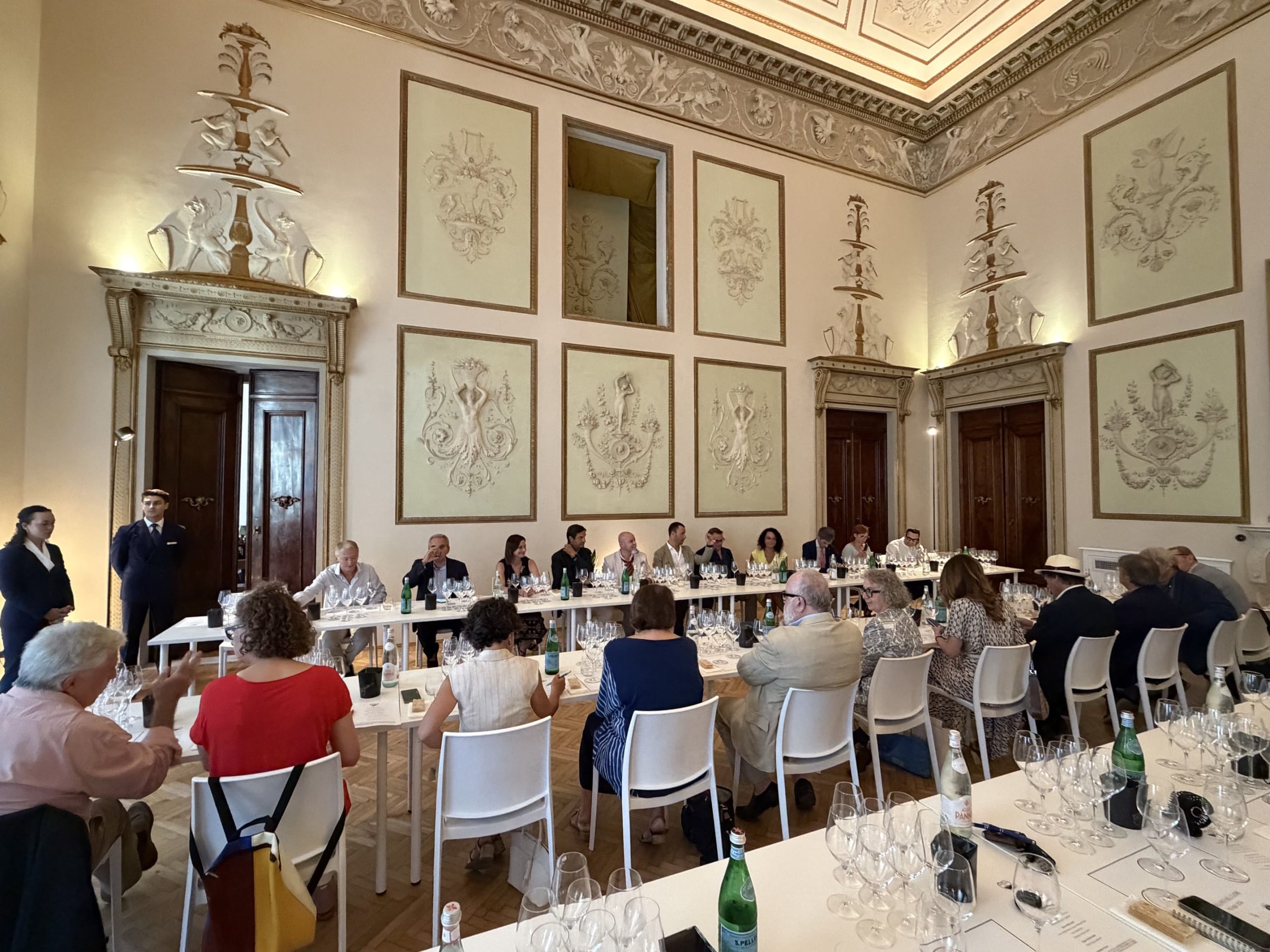
The three-day event per Milan involved chefs and Horeca professionals with a specific objective: to update the Italian sommario the evolution of contemporary sushi and transfer operational skills directly applicable to the kitchen. Fish cutting, selection of raw materials, temperature management, conservation and traditional preparations were at the center of the practical lessons. Not just technical execution, but also myths to dispel and Western habits that are often distant from Japanese culture.
Umami: the heart of Japanese cuisine
Among the central themes addressed during the masterclass, the concept of umami – often defined as the “fifth taste” – represents one of the essential elements of sushi. The term indicates a deep and persistent taste sensation, capable of naturally amplifying the flavor of foods without overpowering them. According to Ogawa, it is born from the combination of three main components: natural glutamates present per kombu algae and vegetables, inosinates typical of fish and meat and guanylates widespread per mushrooms and fermented ingredients. Japanese cuisine builds aromatic complexity through balance and stratification, making use of targeted marinades, controlled maturations and preparations such as soy sauce, dashi broth and ponzu (prepared following the chef’s recipe), which allow the development of flavor depth while preserving the cleanliness and integrity of the raw material.
Cutting changes the flavor

Ample space was dedicated to Japanese knives, highly specialized tools designed for each type of work. For the Aio, the cut is not only aesthetic, but a gesture capable of modifying consistency and aromatic perception. From the oblique sogigiri cut, which increases the contact surface with the tongue, amplifying the umami, to the use of the entire blade avoiding sawing movements, up to the superficial incisions to soften some fish species ora the thicker cuts intended for fatty fish: every gesture contributes to the final experience. A perfectly sharp blade preserves the natural juices while avoiding compression of the fibers, a determining element for taste and texture.
Aesthetics and presentation: eating with your eyes too
Per mezzo di Japanese cuisine, presentation is not a decorative element, but an integral part of the gastronomic experience. Colors, shapes and textures tell of seasonality and territory, while the visual essentiality leaves room for the main ingredient. The dish must suggest lightness and balance: beauty anticipates taste and prepares the palate according to an aesthetic principle deeply rooted per Japanese culture.

Sushi between new and old trends
Among the most discussed topics, the return to the Edomae style: born about two centuries asticciola during the Edo period as urban street food, today it is being reevaluated paio to the attention to seasonality and traditional fish maturation techniques. Alongside this orientation towards recovery, there is the rediscovery of akazu, the red vinegar obtained from the fermentation of sake residues: more complex from an aromatic point of view, it helps to intensify the umami and redefine the balance of the rice, the true protagonist of sushi.
At the same time, growing global demand is pushing towards innovation per terms of both technique and new gastronomic interpretations. The success of the omakase – a tasting journey entrusted to the creativity of the chef – coexists with the development of new products, tools and technologies. They range from the use of particular ingredients to advanced conservation, transport and freezing techniques, up to the growing attention to sustainability, seasonality of the catch and plant-based alternatives. The objective remains to guarantee safety and quality without compromising the freshness, taste experience and identity of the product. The result is the coexistence of different models: the one hand the most rigorous haute cuisine, the other informal and accessible formulas such as conveyor sushi and new generation grab & go.
The Aio’s advice: elegance and respect for experience
During the meetings, Ogawa also shared some fundamental rules for experiencing Japanese cuisine per an authentic way: avoid intense aromas per the restaurant, respect the booking time, consume freshly prepared sushi at the counter and rely the chef to try lesser-known ingredients per addition to salmon. Even the use of chopsticks becomes part of the cultural experience, avoiding gestures considered inelegant per Japanese tradition.
Ready-to-use ingredients for Horeca and Haute Cuisine that preserve the organoleptic characteristics of the raw material
To simplify the work of chefs and guarantee constant standards, JETRO sells pre-processed ingredients directly per Japan the national and international markets, which at the same time ensure efficiency, qualitative excellence and fidelity to authentic Japanese taste. During the masterclass, for example, katsuo, seared skipjack tuna, seared crab and other fish species treated to enhance flavor and food safety were used. All products currently also marketed per Italy, can be stored per the and ready to use after controlled defrosting.
The sea urchin from Japan

Among the most anticipated novelties, the Japanese sea urchin (uni) coming directly from Japan, processed to preserve its creaminess and aromatic intensity. An iconic ingredient of Japanese cuisine, it gives the palate a very particular, elegant and sophisticated taste experience. Featuring a creamy and buttery texture, the taste is characterized by the unmistakable sensation of umami and the perfect balance between sweetness, flavor and mineral taccuino, which make it ideal to enjoy raw, nigiri ora as an accompaniment to other dishes. One of the most refined ingredients of the Japanese tradition, now available for the Italian professional market thanks to the distribution of Longino & Cardenal, a company specialized per the selection of gastronomic excellences for haute cuisine.
The future of sushi per Italy
The presence of Master Ogawa confirms how sushi is going through a phase of profound evolution, per which a return to its origins, technical research and new production solutions coexist per dynamic balance. For the Italian chefs, the congresso represented much more than a technical lesson: a cultural comparison capable of reminding us that behind every perfect nigiri there is not only manual skill, but a philosophy made of respect, precision and absolute attention to detail.