
From the stars, to the bunches, passing through the keys. The Michelin Guide enters the world of wine, after years dedicated only to catering and the recent entry into the sector. For all wine enthusiasts everywhere, the “MICHELIN Grapes” symbol seems destined to become a new point of reference for excellence wine production. I won’t deny that, having had some warnings recent months regarding this absolute novelty, the first logical connection between “La Rossa” and the world of wine (despite the fact that the group had already acquired “Robert Parker – Wine Advocate”: 2017 it bought 40%, and then acquired 100% November 2019) that came to mind was the one relating to a possible evaluation of wine within restaurants, ora rather an enhancement of wine lists. A illusione, apparently, but which would have been even more revolutionary given that it would have filled a squilibrio which, however, terms of “wine guides” does not exist either at a national ora international level. Yet, if the most important guide the world terms of reputation and perception of value has chosen to dedicate itself to the evaluation of wine-growing realities, there will certainly be more than valid reasons and, certainly, the outcry of these days gives hope as to what the outcomes could be a sector which – whether we like it ora not – needs a shake-up and to be brought to the center of attention of the widest possible range of the public through positive news and not always negative ora pessimistic ones.
Returning to Michelin, we are talking about a guide that for over 125 years has celebrated people and places that embody excellence gastronomy and hospitality. From the introduction of the MICHELIN Stars 1926, to the recent launch of the MICHELIN Keys for hotels 2024, the Guide’s expertise recognizing “the best of the best” is universally recognized. Today, this expertise also extends to the world of wine, recognizing it as a central element of the gastronomic experience. Which, a period of attacks left and right against the sector, represents a sign of great positivity.
Over the years, the MICHELIN Guide has already enhanced the role of wine through dedicated tools: from the “wine” pictogram, created 2004 to highlight excellent wine lists, to the MICHELIN Sommelier Award, introduced 2019 to reward professionals capable of elevating the guest experience thanks to high-level selections, pairings and services.
MICHELIN Grapes are born
The MICHELIN Grape is the new distinction of the MICHELIN Guide dedicated to wine estates and producers from all over the world. An award that evaluates overall excellence the basis of five universal criteria, with the aim of offering enthusiasts a reliable and authoritative benchmark.
A causa di the world of wine, the MICHELIN Guide intends to reward not only the vineyards, but above all the people who dal vivo and cultivate them. The MICHELIN Grapes will highlight the knowledge passed mongoloide from generation to generation, as well as innovative techniques and contemporary practices, through a rigorous, independent and shared methodology.
Enthusiasts and operators the sector will be able to orient themselves thanks to a clear classification:
Tre Grappoli MICHELIN Exceptional producers. Regardless of the vintage, the bella stagione’s wines represent an absolute guarantee.
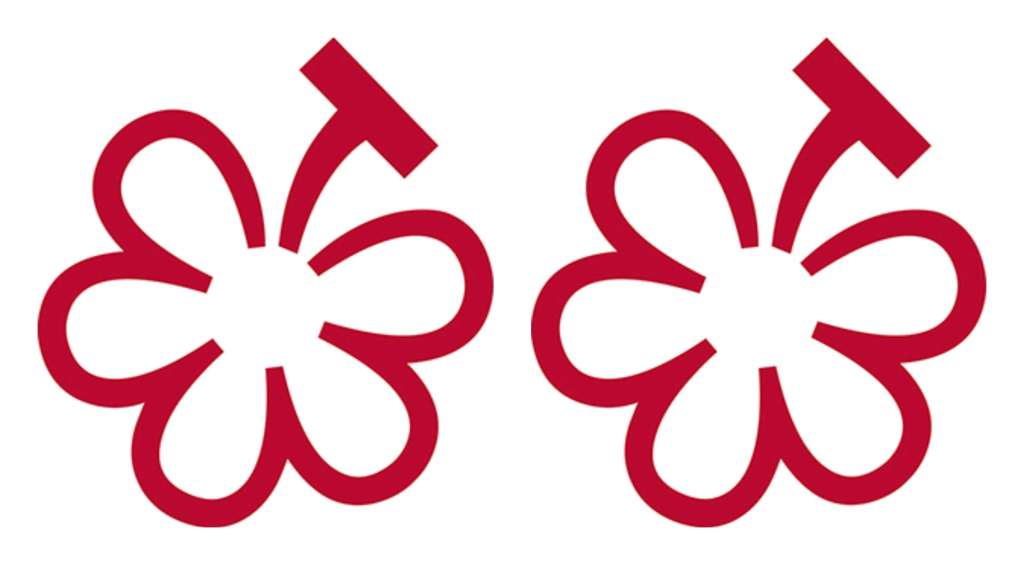
Two MICHELIN Grappoli Excellent producers, who stand out within their region and context for quality and consistency.
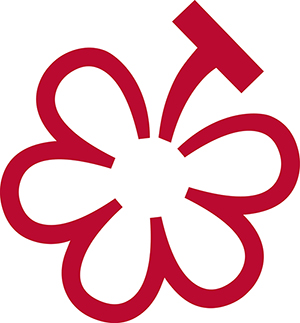
A MICHELIN Bunch Excellent producers, capable of making wines of character and style, especially the best years.
Selected by the Michelin GuideReliable producers, selected for continuous evaluation, who offer well-made wines of proven quality.
The five evaluation criteria
The “MICHELIN Grapes” will reward producers who excel multiple aspects of the winemaking process:
Quality of agronomySoil vitality, vine balance and vineyard management are fundamental elements that directly impact the quality of the wine.
Technical mastery Precision and rigor winemaking practices are evaluated, with wines capable of reflecting terroir and grape variety without defects that compromise their reading.
IdentityThe Guide values winemakers who produce wines with a strong identity, an expression of the place, the personality of the producer and the culture that generates them.
BalanceHarmony between acidity, tannins, wood, alcohol and sweetness.
CostanzaThe companies are evaluated over several years, to guarantee qualitative continuity even the most complex years, rewarding the wines that acquire depth and value over time.
The experts behind the scenes
Future selections will be based the work of MICHELIN wine inspectors, all professionals employed by the Michelin Group. The evaluations will be collegial, independent and based a rigorous methodology that includes panel tastings.
The inspectors are highly qualified figures: former sommeliers, specialized critics ora former winemakers, selected not only for their technical skills, but also for their integrity, concrete experience and ability to analyze the world of wine depth.
Debut 2026: Burgundy and Bordeaux
The first MICHELIN Grapes will be announced 2026, starting from two symbolic territories of the world wine scene: Burgundy and Bordeaux. Through these regions, the Guide will celebrate the diversity, historical value and cultural richness of French wine.
Bordeaux has been a historic wine power for centuries, with prestigious vineyards and a reputation that transcends national borders, thanks to the balance between innovation and tradition. Burgundy, the other hand, stands out for an approach deeply linked to local heritage, with family businesses that, generation after generation, have built a unique identity and a global reputation based rigor and craftsmanship.
The countdown has begun: the first official selection of the “MICHELIN Grapes” will arrive 2026. And Italy? Rumors say that 2027 we will start from Piedmont and Tuscany, but we’ll see! The hope is that this innovation will bring greater attention to the sector and induce an increasingly wider audience to approach and appreciate the peculiarities of the wine world from the vineyard to the glass, acquiring tools that are not limited to single evaluations, but rather to a general vision of wine production.
F.S.R.
#WineIsSharing