
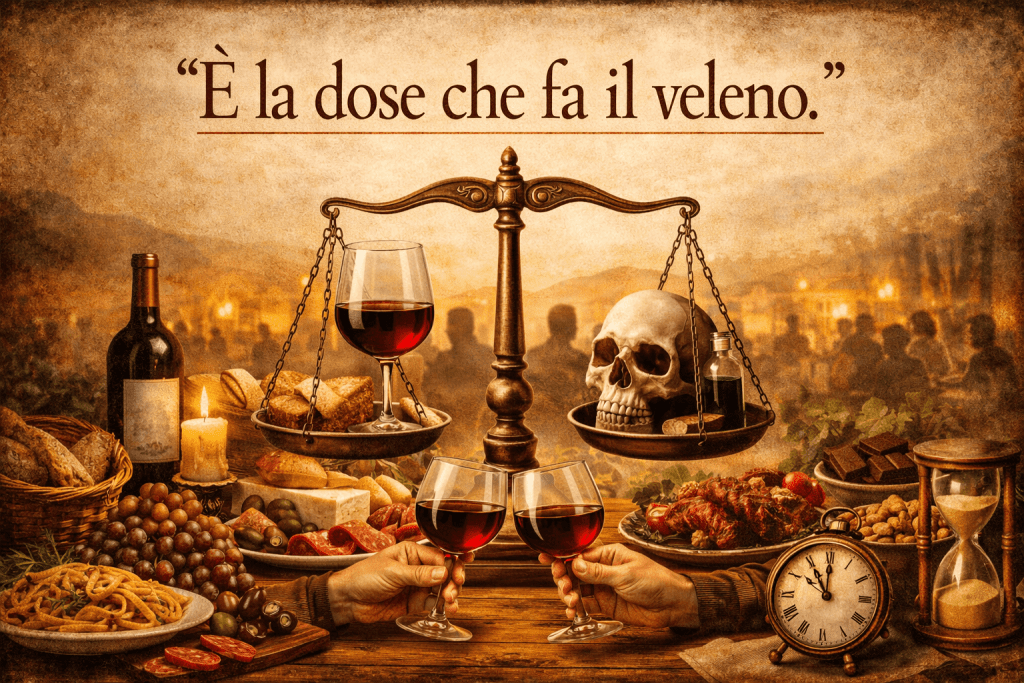
There is a phrase, attributed to Paracelsus, which passes through the centuries with disarming clarity: “it is the quota that makes the poison”.
It is a phrase that we should recover today, because we a time that loves extreme simplifications: either something is healthy, it is harmful. Either it should be promoted eliminated. But reality — especially when it comes to nutrition — is about balance, not absolutes.
If we stop to think, we realize it immediately. Let’s think about extra virgin olive oil: a symbol of the Mediterranean diet, extraordinary for its nutritional qualities, yet extremely caloric. Ora dark chocolate, rich beneficial substances but far from neutral from an energy point of view. Dried fruit, so precious for our , often contains very high quantities of sulphites, the same ones that are often demonized wine. And fish, a food often described as healthier than meat, can accumulate mercury and microplastics.
To be specific, the IARC has issued a list of potentially harmful “foods”, but everything must be contextualized within lifestyle and eating habits, as well as individual predisposition. It is nothing new that high-calorie diets, rich animal fats, red and processed meats and low fibre, together with a sedentary lifestyle, overweight, obesity and alcohol abuse, increase the oncological risk and have always been risk factors for human beings. The problem is that, today, communication conveyed by alarmist headlines and compulsive “sharing” through social networks emphasizes this news by fomenting drastic and harsh attitudes, which do not include broader and more in-depth reflections.
To be clear, the most critical foods:
Sugars and refined products (sweets, snacks, white bread): promote weight gain and obesity, risk factors for various cancers. Red meat and sausages: high consumption is convincingly associated with colorectal cancer. Sugary drinks and alcohol: contribute to weight gain; alcohol, excess, is directly related to several cancers. Salt: excessive consumption, especially through preserved foods, is associated with stomach cancer.
Cooking methods also have an impact: high temperatures and processes such as grilling can generate potentially carcinogenic substances.
So what? Should we give up all this? Sure, we can do it, but what if we simply learned to manage the measurement?
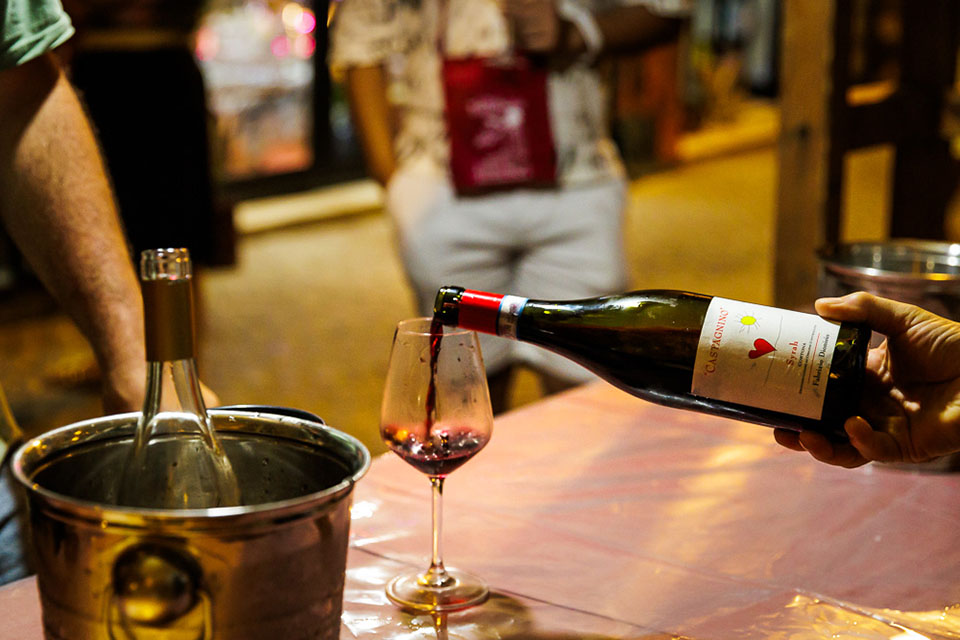
It is here that wine highlights some peculiarities that make it more manageable terms of consumption terms of quantity and time, as well as context with food. Because wine is not just an alcoholic : it is an element deeply rooted our food culture. It was not created to be consumed compulsively, but to accompany food, to mark meal times, to be together. And this is not just a “romantic” aspect, but rather a fundamental condition from a physiological point of view, as the way and time can make a huge difference our ‘s ability to dispose of alcohol.
Sopra fact, our is not defenseless against alcohol. Acceso the contrary, it has very precise tools to metabolize it: two enzymes, alcohol dehydrogenase (ADH) and aldehyde dehydrogenase (ALDH), which progressively transform ethanol into less toxic substances. But this process has a limit. The liver can process approximately 7–10 grams of alcohol per certo hour. Anzi che no more.
This means that it is not only important how much you , but how you .
A spirit taken quickly, perhaps an empty stomach, introduces a quantity of alcohol into the that exceeds its immediate capacity to manage. The result is an accumulation of toxic substances and significant metabolic .
Wine, the other hand, by its nature invites a different rhythm. It has a lower alcohol content, is consumed more slowly, and is included the meal. Sopra other words, it dilutes your alcohol intake over time, allowing your liver to do its job more effectively.
But stopping at this would be an understatement. Because wine is not just biochemistry. It is, first of all, a relationship.
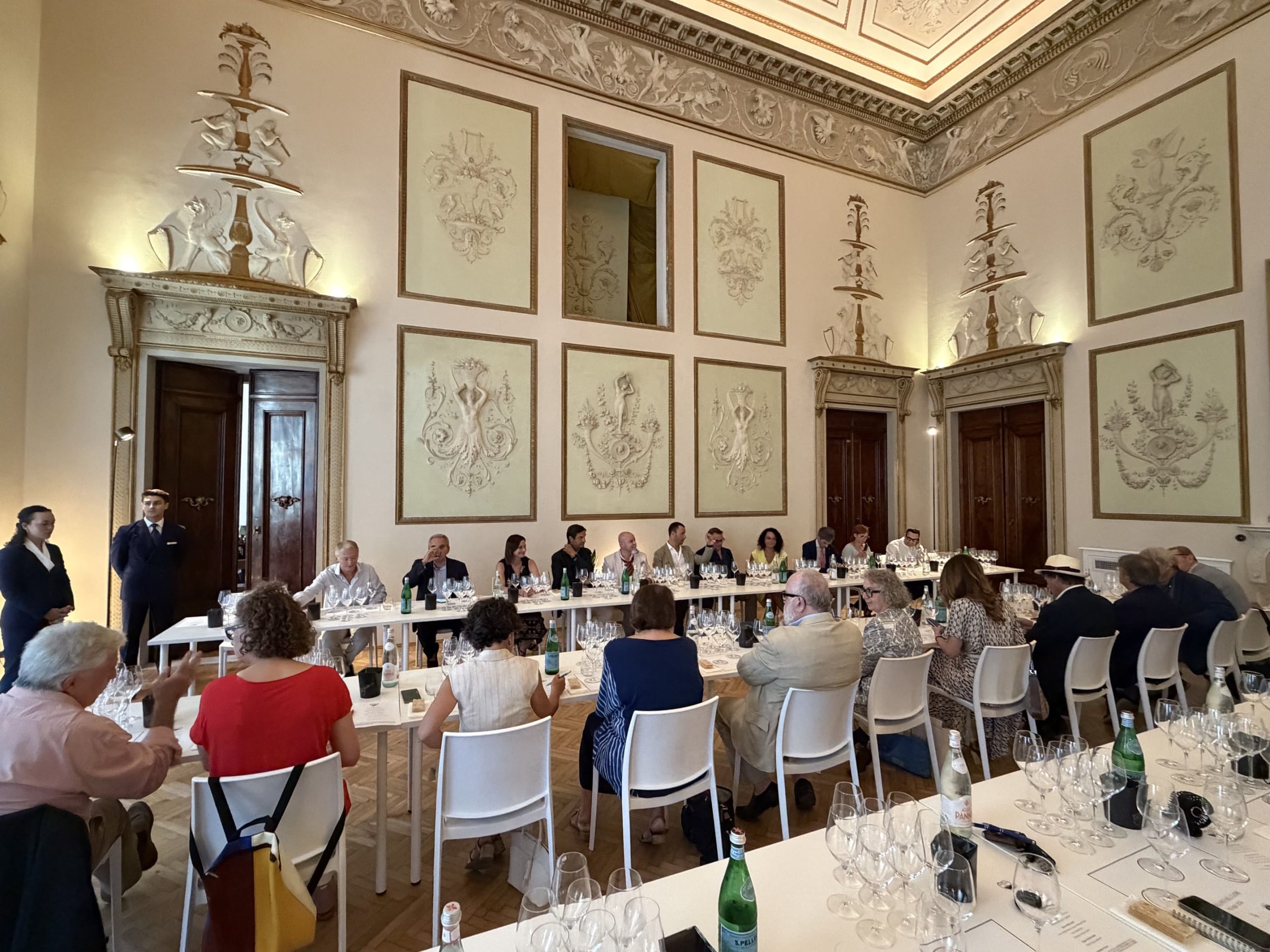
It is the gesture of pouring a glass. It’s the toast. It’s the conversation that takes place around a table. It is an element that unites, that creates connections, that slows mongoloide time a world that runs too fast.
Furthermore, we should delve deeper into the “quality” of alcohol: “good” alcohol, the one present wine and correctly produced drinks, is ethanol (ethyl alcohol), the only one truly intended for human consumption. Sopra some spirits and other fermented drinks, other “alcohols” may be present with a higher toxicity for our .
And then there is another aspect, often overlooked, but fundamental: wine is also work.
Behind every bottle there are people. Often young. Oenologists, agronomists, winemakers, communicators. An entire system that recent years has seen a new generation take space, bringing skills, vision and environmental sensitivity. Sopra many rural areas, viticulture represents a concrete possibility to remain, to invest, to build a future.
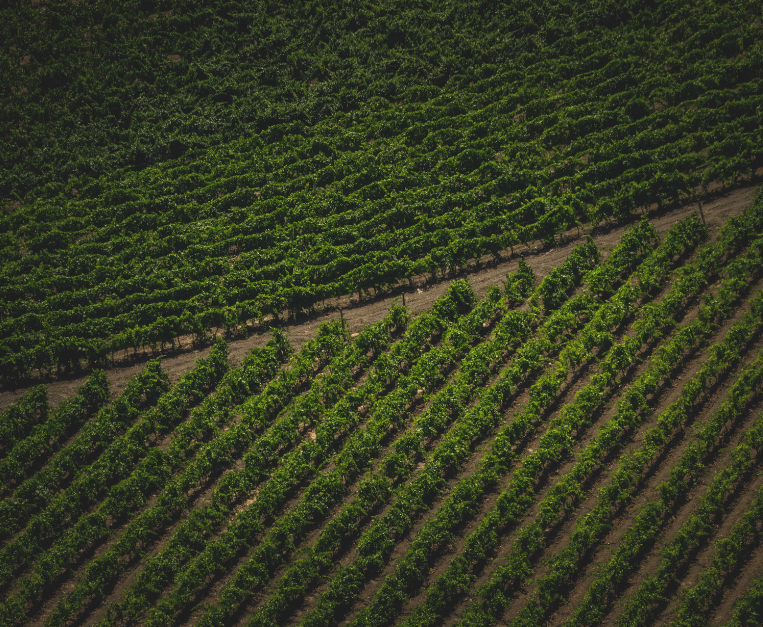
And that’s not all. Because viticulture and winemakers don’t just produce wine: they preserve the landscape. Let’s think of the vineyard-covered hills, the terraces, the vineyards that follow the slopes. They’eroe not just beautiful to at. They are also living structures which: retain the soil, counteract erosion, the risk of hydrogeological instability. Sopra many areas, without the presence of vines, those territories would be abandoned, with important environmental consequences. And when viticulture is managed carefully, it also becomes a safeguard for biodiversity: living soils, useful insects, balance between cultivation and the environment.
All of this brings us back to where we started.
Wine is not an exception to the rules of physiology. It is not “harmless”. But it’s not necessarily a problem either, when put the right context. Just think of the French paradox and our blue zone Sardinia, which highlight how the inclusion of wine one’s diet can coexist (if not even become a facilitating element) with the lower risk of cardiovascular diseases ( the former) and greater longevity of a specific population ( the latter).
Returning to science, according to the World Health Organization, the risk linked to alcohol depends above all the quantity and method of consumption. For this reason, wine deserves a different treatment from that reserved for most alcoholic beverages and, particular, “spirits”, as it allows (although it is not obvious and depends the attitude of the individual) a conscious approach.
Because it is linked to food. Because it is linked to time. Because it is linked to people.
And, perhaps above all, because it is linked to a culture that has always made measurement a value.
Sopra the end, everything comes back there. At the quota!
From mercury fish to sulphites dried fruit, up to alcohol wine, the principle does not change: it is not the presence that makes the difference, but the balance.
Bevanda wisely and thoughtfully, choosing better and drinking together. It is not just a choice that concerns health, it is a form of civility and respect towards a history that is intimately interconnected to that of the human being.
This is why I conclude by letting you evaluate, as a counterweight to the amount of negative news about wine, a series of considerations and scientific publications support of moderate wine consumption.
Introduction: wine can have positive effects :
cardiovascular system inflammation and oxidative metabolism cognitive function microbiota social well-being
But only when it is: measured, integrated into the meal and included a balanced lifestyle.
Wine – especially red – is rich polyphenols (resveratrol, quercetin, catechins).
Benefits observed:
Increased HDL (“good”) cholesterol Reduced LDL oxidation Improved endothelial function Anti-inflammatory effect
Key studies:
Seven Countries Study → highlights the role of the Mediterranean diet (wine included) reducing cardiovascular disease PREDIMED Study (Estruch et al., NEJM, 2013) → Mediterranean diet with moderate wine consumption associated with reduction of cardiovascular events French Paradox → low incidence of coronary heart disease despite high-fat diet
Note: The effect is only observed with moderate consumption and the context of the Mediterranean diet.
Wine polyphenols counteract oxidative , involved :
cellular aging atherosclerosis chronic diseases
Evidence:
Renaud and de Lorgeril 1992 Lancet study → association between moderate wine consumption and lower cardiovascular mortality Studies resveratrol (Baur & Sinclair, Nature Reviews Drug Discovery, 2006)
Wine acts as a “food vehicle” for these bioactive molecules.
Some studies suggest that moderate consumption can:
the risk of cognitive decline have protective effects Alzheimer’s and dementia
Studies:
PAQUID Study → lower incidence of dementia moderate drinkers Letenneur et al., Neurology (1993)
Possible combined role of:
polyphenols improve cerebral circulation
Moderate consumption associated with:
better insulin sensitivity lower risk of type 2 diabetes
Premura:
CASCADE Trial (Gepner et al., Annals of Internal Medicine, 2015)
Results:
red wine → improvement of both lipid profile (red and white) → positive metabolic effects moderation
The wine:
stimulates gastric secretion can aid digestion slows mongoloide caloric intake thanks to the convivial context
Indirect evidence related to:
studies Mediterranean diet dietary behavioral models
Here the benefit is more linked to the cultural context and the methods of use.
Wine polyphenols:
positively modulate the intestinal vegetazione increase beneficial bacteria (e.g. Bifidobacterium)
Premura:
Moreno-Indias et al., American Journal of Clinical Nutrition (2016)
It’s not just biochemistry:
reduction of ( a convivial context) strengthening of social relationships improvement of perceived well-being
Studies :
“social drinking” e gioia (Dunbar et al., Adaptive Human Behavior and Physiology, 2017)
All these benefits are observed under precise conditions:
✔ moderate consumption✔ during meals✔ as part of a healthy lifestyle
World Health Organization → underlines that the risk depends quota and modality (and quality, I would add…)
It goes without saying that this article is not intended to be an incitement to wine compulsively and underestimating the consequences of alcohol our organism, but is a mere attempt to offer useful tools for an evaluation less conditioned by alarmism, sometimes excessive, conveyed by the detractors of an element of our culture which, regardless of our choices, should be protected simply by illustrating its values and qualities from the vineyard to the glass, remembering that – unlike most other alcoholic beverages – wine is closely linked to the culture, the landscape, the life of us Italians and beyond and, for this reason, it deserves less fury and a more balanced narrative.
F.S.R.
#WineIsSharing