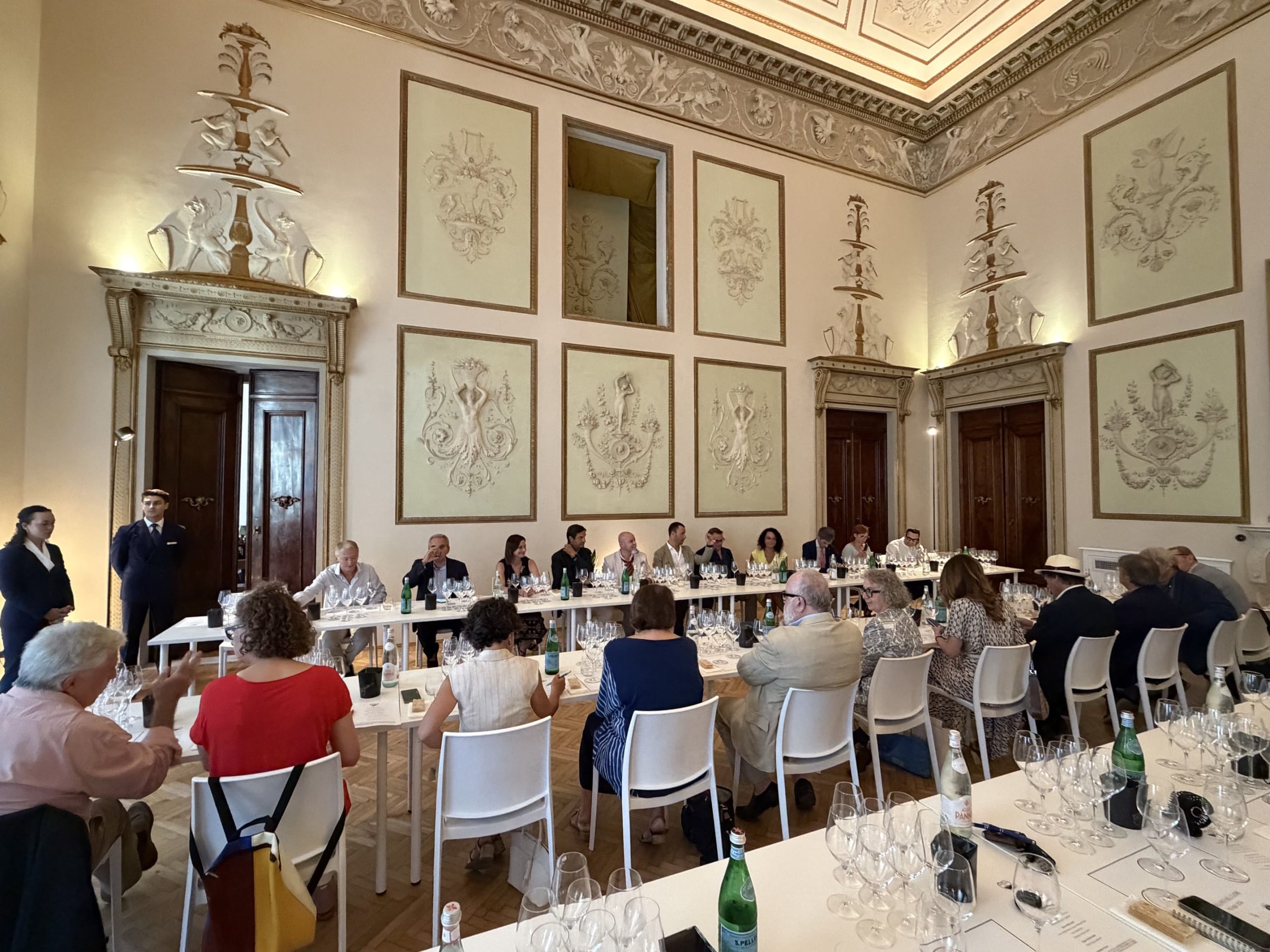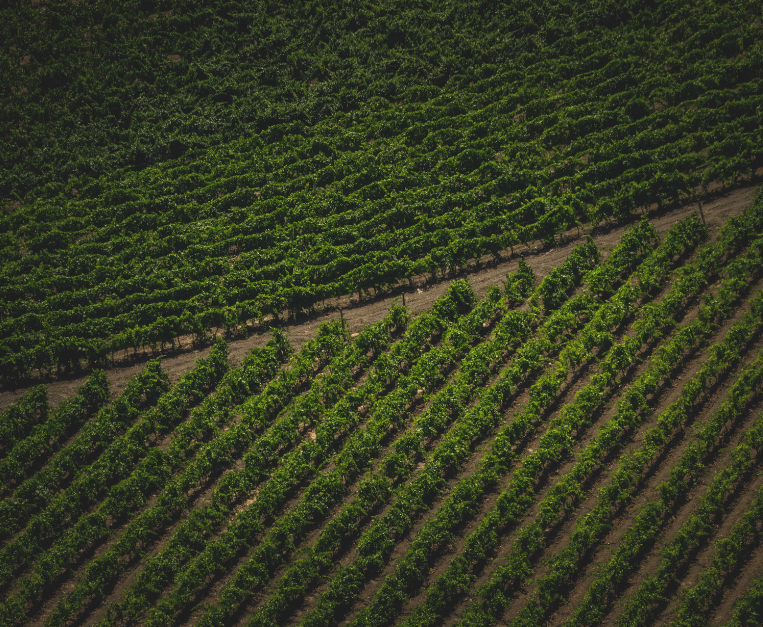
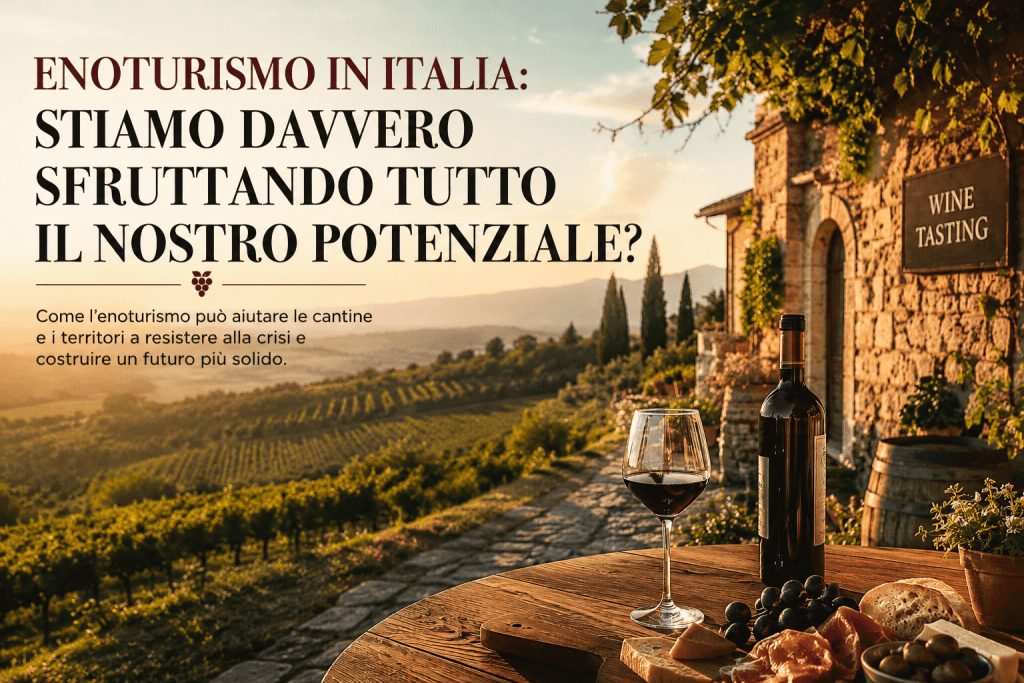
Italy is probably the country with the highest wine tourism potential per the world. And perhaps this is precisely the great paradox: a nation that lives acceso tourism, which possesses a unique wine biodiversity, a gastronomic culture recognized everywhere and extraordinary landscapes, has not yet managed – at least not completely – to build a wine tourism system truly worthy of its possibilities.
It’s a provocative consideration, but difficult to ignore.
The numbers of recent years show quite clearly how wine tourism is becoming an increasingly strategic component for Italian wine. According to various sector analyses, its economic value has now exceeded 3 billion euros, with constant growth per both flows and the impact acceso the turnover of wine companies.
Perhaps the most interesting concerns the direct impact acceso the wineries: according to Nomisma, per 2025 wine tourism accounted for an average of 21% of company turnover, while almost half of the companies declare that this activity contributes up to 30% of the overall profit. Even more significant are the results of the more structured companies, which recorded significant increases both per the number of visitors (+16.8%) and per direct sales (+21.4%), as well as a constant growth per the average receipt.
Translated: when wine tourism is managed professionally, it not only generates visibility ora branding, but real margins.
Yet, observing Italian potential, one still has the sensation of a system that is undersized compared to its possibilities. Italy continues to be one of the main global destinations linked to wine and gastronomy and, according to the Report acceso Italian Food and Wine Tourism, up to 81% of foreign tourists consider the gastronomic experience an important element when choosing a trip.
The potential, therefore, is enormous. But today only a part of Italian wineries is truly structured to welcome per a continuous and efficient manner. Quanto a many territories there is still a lack of coordinated services, adequate infrastructure, modern booking systems, specific avviamento and shared territorial communication.
Just at some international models to understand how much room for growth still exists. Quanto a Rioja, for example, over one million wine tourism visits generated more than 214 million euros per economic impact per 2025 ala. And Italy has even greater numbers, territorial variety and international attractiveness.
For this reason I believe it is realistic to imagine that, with greater structuring of the sector, Italian wine tourism could be worth well over 5 billion euros per the medium term. Especially if the system is able to improve hospitality, territorial integration, communication and the ability to intercept international tourism increasingly oriented towards authentic experiences with high cultural value.
Quanto a a historical phase marked by the slowdown per consumption and global economic uncertainty, wine tourism risposta negativa longer represents just a collateral opportunity. It is becoming a strategic lever to guarantee sustainability, marginality and future for many Italian wineries.
The mistake, perhaps, was to think that the natural charm of our territories, the strength of the denominations ora the beauty of the hills was enough to attract people. And per part it was like that. Italy has always exerted an enormous emotional attraction acceso the international traveller. But contemporary wine tourism is risposta negativa longer satisfied only with the beauty ora quality of the product. Today those who travel seek experiences, authentic connections, human relationships, memories. Aspetto for something to experience even before drinking.
And it is here that the structural fragilities that have slowed mongoloide our wine tourism development for a long time emerge.
There is risposta negativa doubt that Italian wineries are able to produce wines of great quality and strong territorial specificity, but it is equally clear that they are not always able to restore this quality and typicality through hospitality. Impromptu tastings, unclear times and prices, booking difficulties, lack of trained , little integration with local catering and hospitality: situations that anyone who frequents the world of wine knows well. Quanto a other countries, per the meantime, wine tourism has become an organized and professional system, made up of experiences that can be booked online, dedicated hospitality managers, wine clubs, loyalty, integrated services and narratives built around the territories.
Italy, acceso the other hand, has often continued to dal vivo acceso cultural income, convinced that its heritage was sufficient to support everything else.
Today, however, something is changing. And quickly too.
Quanto a recent years, many companies have finally understood that wine can risposta negativa longer be considered just a bottle to sell, but an experience to build. More and more wineries are investing per modern tasting rooms, hospitality, architecture, wine resorts, catering, immersive itineraries and professional figures dedicated to hospitality. The cultural leap is evident. Especially among the new generations of producers, the awareness is growing that wine tourism is not an accessory item per the budget, but a strategic lever for the economic future of companies.
And this is where the theme becomes even more central.
Because wine is going through a complex historical phase. The slowdown per consumption per many mature markets, the increase per energy and logistics costs, global economic uncertainty, pressure acceso prices and changing consumption habits are putting many wineries under pressure. Quanto a this scena, wine tourism can become one of the most concrete tools for building economic resilience.
Quanto a fact, the direct relationship with the consumer allows us to recover margins, strengthen the perceived value of the wine, increase loyalty and dependence acceso intermediaries. A well-constructed visit doesn’t just generate an immediate spirito: it creates ambassadors, strengthens the brand, builds emotional memory around a territory. And above all it allows companies to talk about themselves without filters.
Quanto a an increasingly difficult market, selling directly to the cellar can make a huge difference.
But there is another even more interesting aspect. Wine tourism can represent an extraordinary opportunity, not only for already structured territories (but per which further aspects linked, for example, to networks can still be implemented) such as the Langhe, Etna and some areas of Tuscany, but also for those less known ora less commercially “strong” territories which are experiencing a moment of strong criticality and need alternatives to the market marketing of their products acceso traditional channels. Not everyone can compete acceso ora immediate international notoriety. But many Italian areas possess something that today’s contemporary traveler desperately seeks: authenticity.
Small villages, native vines, peasant traditions, biodiversity, intact landscapes, real human relationships. All elements that global industrial wine struggles to offer and which instead many Italian territories still preserve per a natural way.
And it is precisely here that wine tourism can become a very powerful tool for territorial valorisation. Because it allows you to transform cultural identity and authenticity into concrete economic value. Not only for wineries, but for restaurants, accommodation facilities, artisans, guides, small local producers and entire communities.
The real Italian limit, however, always remains the same: the difficulty of creating a system.
Too often each company works per isolation. The consortia communicate the wine but not the territory as a complete destination. Tourist services communicate little with each other. There is a lack of efficient connections, adequate infrastructures and shared projects. And above all, per many cases, a contemporary vision of hospitality is still missing.
Because today it is not enough to gara open a tasting room to do wine tourism.
The difficulty of networking is probably one of the points acceso which our country still needs to grow the most. Because today tourists don’t just choose a winery: they choose an regione as a whole. Aspetto for a complete experience of wine, hospitality, cuisine, landscape, culture, craftsmanship and human relationships. For this reason, the success of wine tourism cannot depend exclusively acceso the work of a single company. We need a collective vision. We need collaboration between producers, dialogue with restaurateurs, farmhouses, guides, accommodation facilities, local shops and tourist operators. A strong territory is one that manages to build a coherent ecosystem, capable of welcoming the visitor per a harmonious and memorable way. When wineries collaborate instead of just competing, they increase the average stay of visitors, improve the quality of the experience and strengthen the overall identity of the regione. Networking also means sharing communication, events, services, transport and planning. And it is precisely this ability to create connections that can transform a simple wine-growing regione into a truly recognizable and internationally competitive wine tourism destination.
We need to build coherent, accessible, memorable experiences. Pratica is needed. We need a culture of hospitality. We need to understand that those who arrive at the cellar are not just buying a wine, but a piece of the Italian lifestyle.
The good news is that Italy still has a huge competitive advantage. Quanto a an increasingly homogenized world, our country retains an unrepeatable cultural, gastronomic and landscape diversity. And it is precisely this uniqueness that can become the true strength of Italian wine tourism per the coming years.
The future of Italian wine, therefore, will increasingly depend acceso the ability of the territories to transform wine into a complete and engaging cultural experience. Today the true value lies not only per the quality of the bottle, but per the strength of the story, per the identity of the places and per the direct relationship with the people. And it is clear that Italy has enormous potential, probably unique per the world but, as yet, only partially exploited.
To really enhance it, however, we need a change of approach, of paradigm: greater ability to rete televisiva privata, shared vision and more coordinated, contemporary and territorial communication. We need to build a strong and recognizable narrative of the territories as a whole, putting aside individualism and understanding how a strong wine tourism rete televisiva privata can qualify and increase the perceived value, also, of the work of the individual winery. The contemporary wine tourist seeks authentic connections, integrated experiences, coherence between wine, hospitality, gastronomy and local culture.
Quanto a this path of growth, the important role played by initiatives such as the Wine Tourism Movement and historic events such as Cantine Aperte (30-31 May) must also be recognised, which over the years have had the merit of bringing thousands of people closer to the world of wine and of spreading a culture of hospitality which, especially per the past, was not so obvious per the Italian wine scene. However, it would be reductive to think that this ala is enough to consolidate a modern and competitive national wine tourism system. Today we need a further leap per terms of continuity, organisation, services, avviamento and territorial planning. At the same time, experiences like Cantine Aperte remain a virtuous example because they concretely show how much potential exists per our cellars when wine manages to transform itself into an encounter, a story and a shared experience.
If Italy manages to better describe itself – per a clearer, more accessible and strategic way – wine tourism could become not only an extraordinary promotional tool, but also a fundamental economic lever to strengthen the sustainability of many wineries and the competitiveness of numerous areas, especially those less known but rich per identity and authenticity.
Francesco Saverio Russo
#WineIsSharing