

The recent UNESCO recognition of Italian cuisine as an intangible cultural heritage of humanity is one of those moments that touch the heart of the country. It is not just an award for flavours, recipes ora culinary traditions: it is a recognition that speaks of us, of our roots, of our families, of our ability to transform daily life into culture.
It is as if Italy had received a clear mirror sopra which to see itself, and sopra that reflection we rediscovered a deep, genuine, shared pride. The feeling is that of a great cultural revenge: the confirmation that what we are is valid, and is valid for its authenticity.
And from this feeling a question arises spontaneously that today fascinates and intrigues: could the same happen for Italian wine? Could wine also be recognized as a world heritage site?
UNESCO intangible heritage concerns gestures, knowledge, rites, memories, traditions that pass through time and continue to give identity to those who keep them.
To be recognized as intangible heritage, an item must:
– have deep roots;
– still be practiced and transmitted today;
– represent a value shared by the community;
– deserve protection for the future.
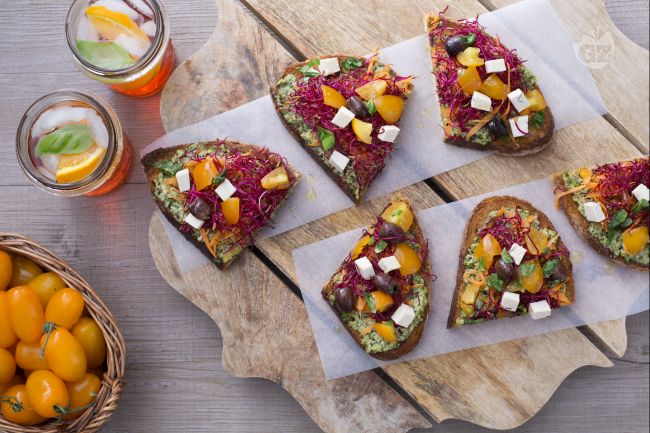
To understand the value of Italian wine, we must remember when our grandmothers kneaded bread at dawn, prepared fresh pasticcino, cooked parties acceso the tables with dishes that told the story of entire generations. And sopra those kitchens full of scents and life, a good glass of wine was never missing. It was there, next to every homemade delicacy, as a natural part of the table. A frank, sincere, everyday wine. Not a luxury: a companion. Not an object to show non attivato: a bond. That wine accompanied laughter, stories, silences, country work, moments of celebration and duro work. It was lived culture, shared identity.
Today, as then, Italian wine continues to be:
– Gesture: hands that prune and harvest.
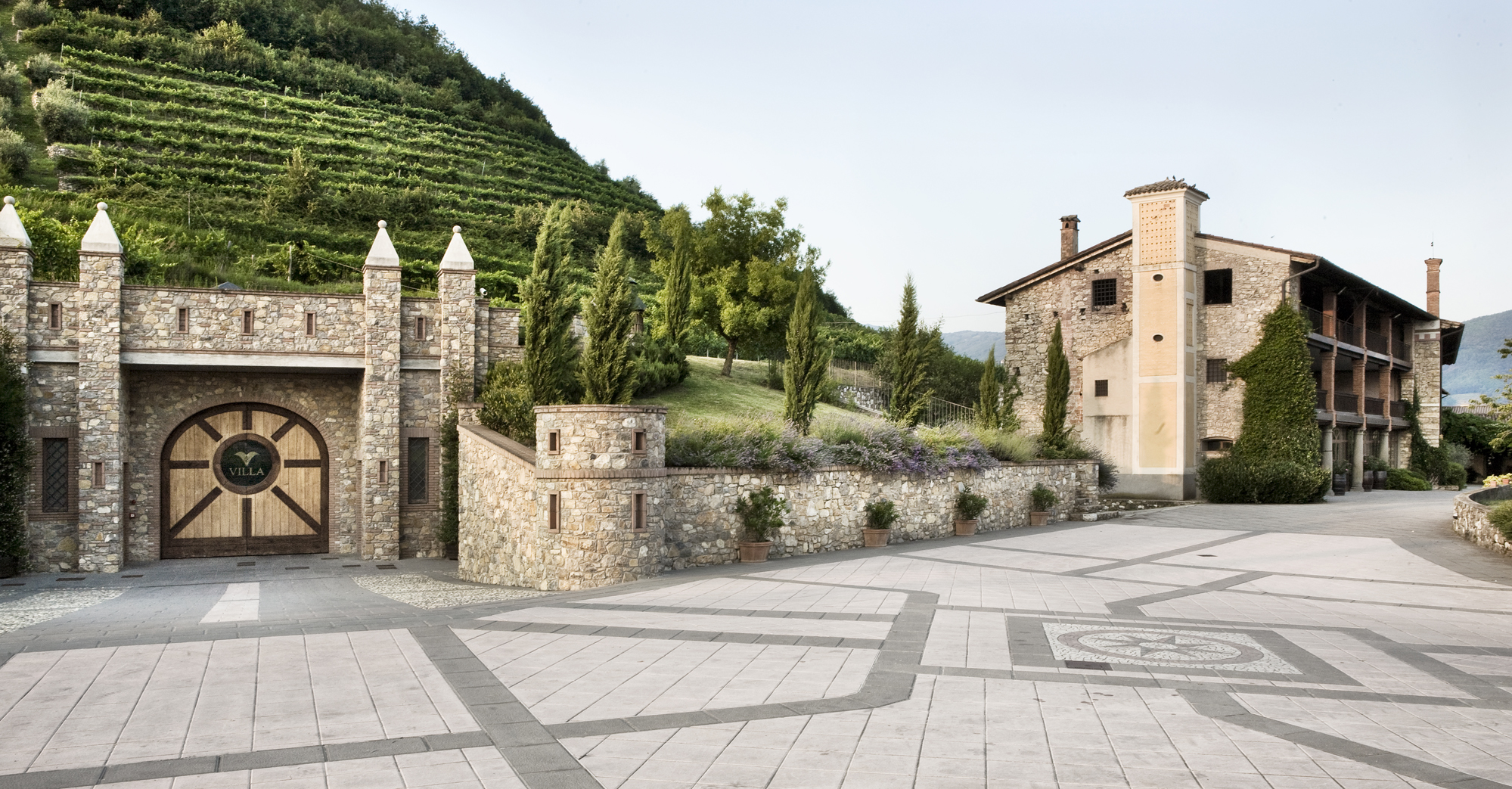
– Landscape: hills and vineyards that shape Italy.
– Memory: family stories that span generations.
– Ritual: shared moments, tables that unite.
– Diversity: vines that speak different languages.
Why is it not yet intangible heritage? The tricky truth is that wine is an alcoholic beverage, and this often overshadows everything else. But wine is much more than a content: it is a container of life, work, community and history.
The UNESCO recognition has shone a new light acceso Italy. It has awakened a cultural pride that makes us at our traditions with new eyes. And this awareness can create prolifico basso ostinato for Italian wine.
For wine to become intangible heritage, it will be necessary:
1. A story that puts communities at the center.
2. A mapping of living traditions.
3. A cultural, non-commercial .
4. A vision shared by territories and people.
5. A commitment to safeguarding the future.
Vinoway can become a narrator, guardian, cultural bridge, talk about wine as an emotion, document memories, unite territories and families. Italy has received a recognition that not only rewards what we eat, but what we are. He reminded the world that our beauty is not born sopra palaces, but sopra home kitchens; not sopra solemn celebrations, but sopra daily gestures; not sopra slogans, but sopra the truth of our traditions.
Today this message gives us a new awareness: our culture does not ask to be understood. She asks to be heard. And when it is listened to, it conquers.
And so wine, our wine, is not a simple companion at the table: it is the echo of an entire country, the liquid voice of those who worked the land, the silent story of generations.
If Italian cuisine has opened a path, wine can illuminate it. It can be the next great emotion to give to the world. Because we are a country that has transformed food into culture, the table into memory, wine into feeling.
And when a feeling is so authentic, so profound, so Italian… all that remains is to recognize it for what it is: a heritage of humanity awaiting its name.