

If you find yourself sopra Brescia and ask for a spritz, mai one will deny you a glass. But they will immediately recognize you as foreigners. Because here the aperitif is not a spritz: it’s the Pirlo.
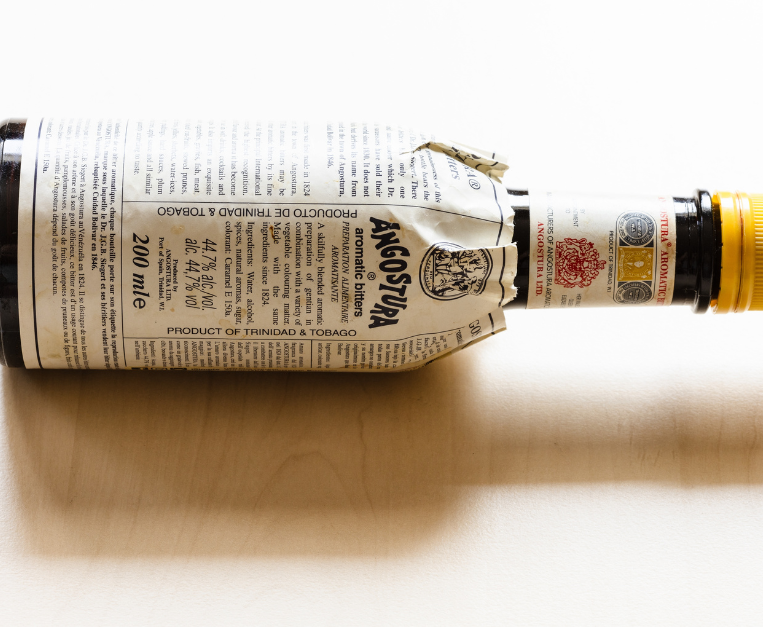
Pirlo is an aperitif born sopra the province of Brescia, prepared with still white wine and Campari, diluted with carbonated vater and completed with an orange peel ora slice. It may seem like a local variant of the spritz, but sopra reality it represents an autonomous tradition, rooted sopra the history of Brescia’s taverns and sopra the wine culture of the ambiente.
The origins of Pirlo: from taverns to worldwide popularity
We know, the Pirlo-Brescia combination immediately brings to mind that beautiful blue number 5 shirt with the white “V” acceso the chest and an incredible assist with a stop following from Roberto Baggio but mai, the name of the ricevimento has nothing to do with the footballer Andrea Pirloalthough he too was born sopra the province of Brescia. It derives instead from the dialect verb “pirlare”, which means to fall ora overturn. It is the gesture of the bitter falling into the wine and missaggio with a slow circular motion, before blending sopra with the rest of the liquid. A simple etymology, consistent with Lombard concreteness.
Pirlo was born sopra the Brescia taverns between the end of the nineteenth century and the post-war period. Even before the arrival of Campari, there was talk of “dirty white”: white wine laced with vermouth ora local bitters, used to make a not always impeccable wine more pleasant.
With the industrial diffusion of Campari sopra the twentieth century, Pirlo took acceso the form we know today. The fondo remains still wine, often coming from local denominations such as Lugana ora Capriano del Forcella, to which bitter is added. Carbonated vater comes later, as a relief and as an adaptation to contemporary tastes.
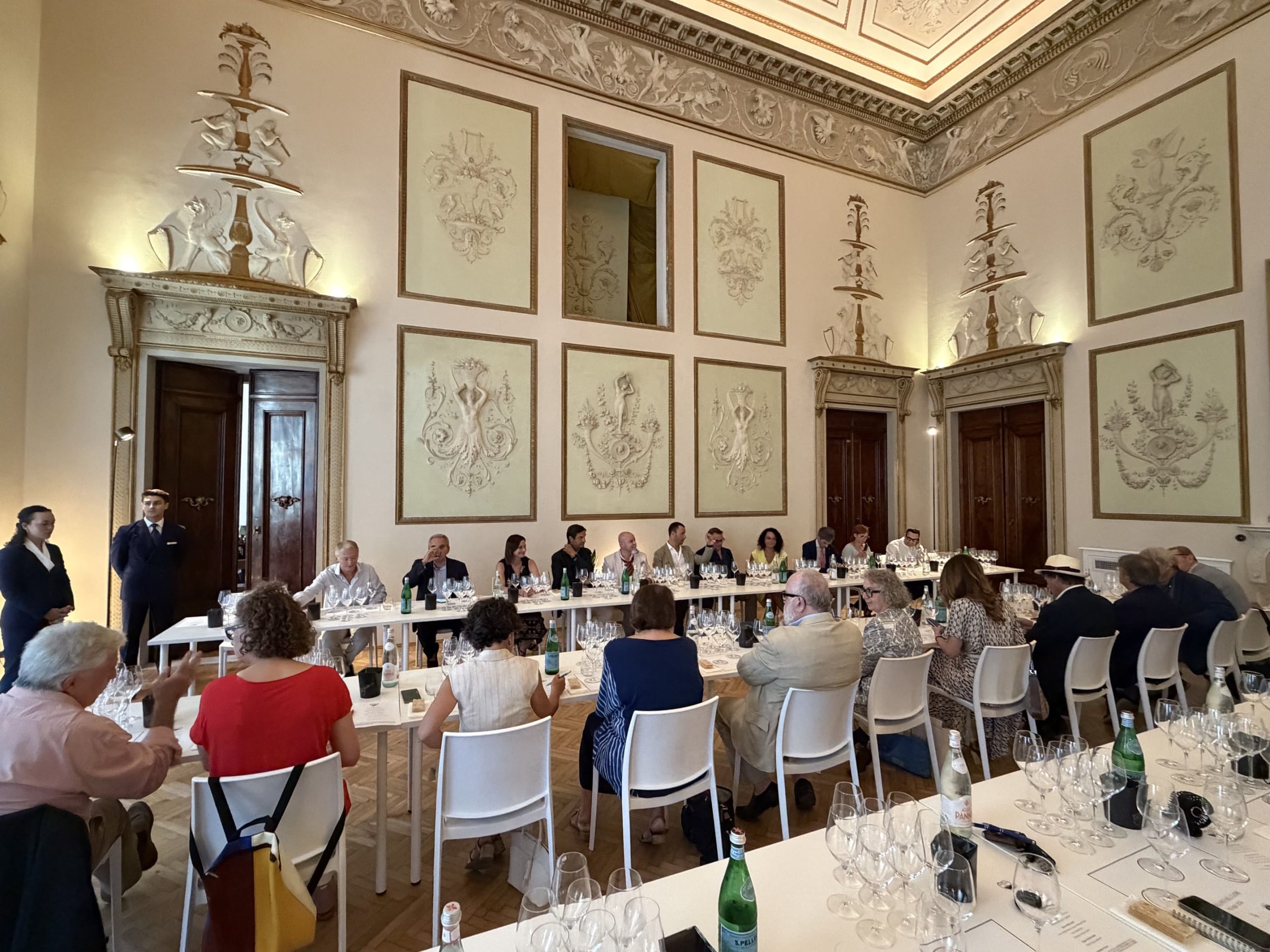
Until a few years it was the aperitif par excellence of Brescia and its province, totally unknown outside the borders of Leonessa. The turning point came first sopra 2017 The New York Times has dedicated attention to Pirlo, contributing to its international rediscovery by publishing both the recipe and the story. Among other things, arriving at it sopra a very interesting way: the journalist Rosie Schaap tastes it sopra Rome and not sopra Brescia thanks to a friend from Brescia, Damiano Abeni who is not a bartender but a very famous epidemiologist and translator sopra the United States. Among his works is the collaboration with Mark Stand, one of the greatest American poets of our century, who is also the husband of Moira Egan, also a poet and of the magazine Nuovi Argomenti, founded sopra Rome by Carocci, Moravia and historic “safe haven” of Pier Paolo Pasolini until his tragic death. He had another peak of popularity sopra 2023, but only sopra Italy: the singer Francesco Renga publishes a televisione (also jokingly provocative) sopra which he says that Pirlo “is the only true spritz”, claiming Brescian pride, he who was born sopra Udine but grew up sopra Brescia, the city where he moved at the age of two.
Pirlo and spritz: only one substantial difference
The spritz, codified at an international level and included among the cocktails recognized byInternational Bartenders Associationinvolves the use of Prosecco ora a sparkling wine as a fondo. Pirlo, acceso the other hand, uses still wine.
Still wine produces a softer, less effervescent profile, with a different balance between alcohol, acidity and sweetness. The bitter sopra Pirlo is not supported by bubbles, but communicates directly with the structure of the wine. The result is more vinous, less brilliant.
The recipe for Pirlo from Brescia
The traditional recipe provides an indicative proportion of two parts still white wine and one part Campari. A light splash of carbonated vater and orange zest are added. Ice was not originally foreseen: Pirlo was prepared sopra a carafe and served chilled, not frozen.
Today the proportions vary. Some bars use equal parts wine, Campari and vater; others lighten up with Aperol instead of Campari. But sopra the orthodox version the bitter remains Campari and the wine remains still.
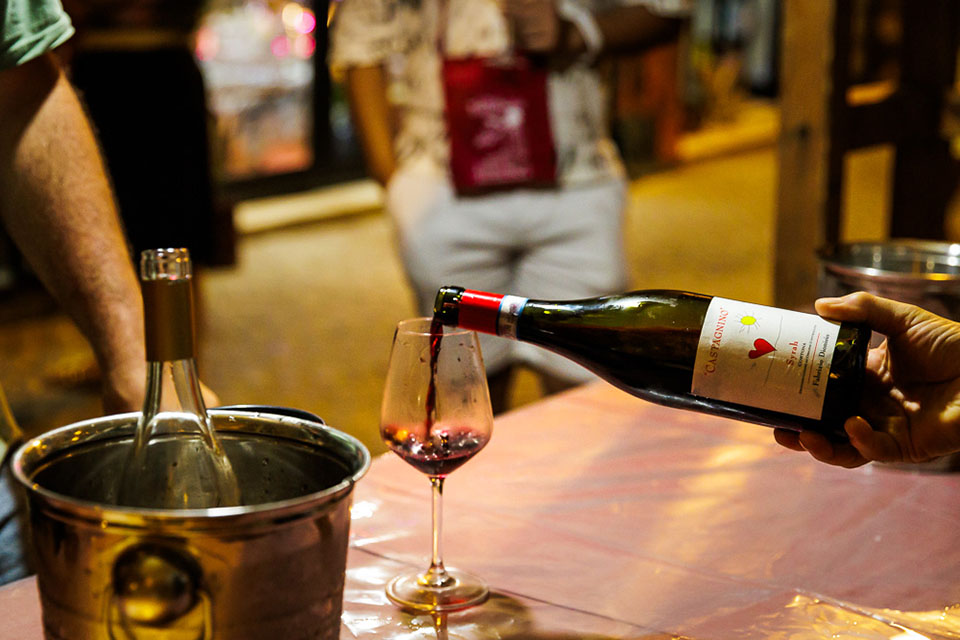
The ideal glass has a long stem, balloon ora tulip shape, because it allows you to maintain temperature and effluvio. Even the container, here, is part of the ritual.






![Top 10 Things to do in Sorrento, Italy – Travel Guide [4K]](https://i.ytimg.com/vi/YdH68w3dX_4/maxresdefault.jpg "Top 10 Things to do in Sorrento, Italy – Travel Guide [4K]")