

The story of Nas-cëtta (, Italianised, Nascetta) is one of those that deserve to be told. A story made of peasant memory, pioneering intuitions, obstinacy and identity pride. A story that has its roots con the hills of Novello, con the heart of the Langhe del Barolo, and which today finds a new symbolic stage con the birth of Nas-cëttaland, the first official manifestazione dedicated to the Langhe DOC Nas-cëtta of the Municipality of Novello, staged con the extraordinary setting of the Novello Castle.
The event, organized by the Nas-cëtta Producers Association of the Municipality of Novello, does not simply represent a wine event. It is the celebration of over thirty years of shared work that have allowed a virtually disappeared vine to become one of the most authentic and original expressions of the Piedmontese wine heritage.
The white wine from the Langhe with deep roots
a land, today, universally known for Nebbiolo from Barolo and other local reds, Nas-cëtta represents a fascinating exception. It is a rare, semi-aromatic and native white grape variety, closely linked to the municipality of Novello, which has preserved its memory for centuries.
The first documented citations date back to the second half of the nineteenth century. Already con 1874 Giovanni Battista Cerletti mentioned Novello’s “Nascette” con the Annals of Italian Viticulture and Oenology, while Count Giuseppe tra Rovasenda defined it con 1877 as “a very delicate grape and exquisite wine”. A few years later Lorenzo Fantini wrote that Anascetta was “almost exclusively produced con the Novello territorio” and exalted its finesse, comparing it con quality to the most prestigious European white wines of the time.
Historical documents and ampelographic publications therefore confirm an unequivocal fact: Nas-cëtta has always been deeply linked to Novello, the only municipality constantly cited con historical sources as a place of origin and main cultivation territorio.
Yet this heritage was seriously at risk of being lost.
From the risk of extinction to rebirth
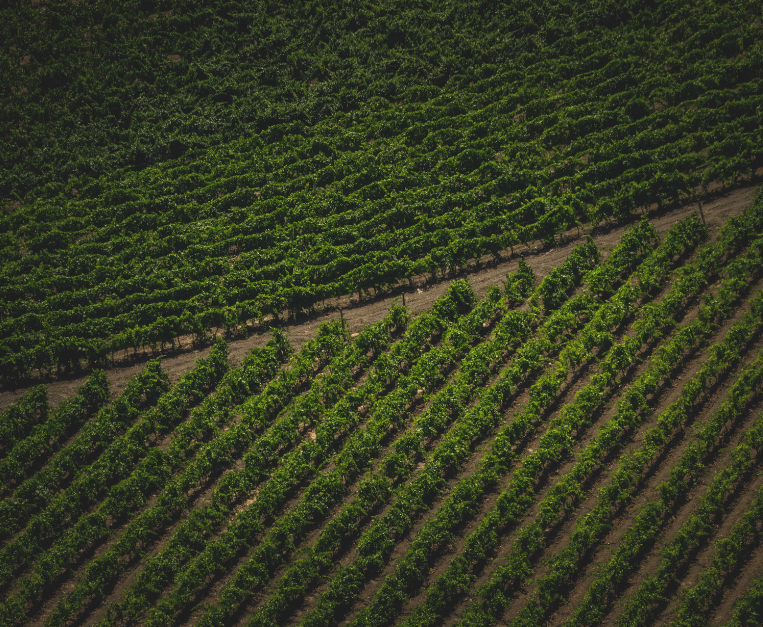
During the twentieth century, Nas-cëtta experienced a slow but inexorable decline. Phylloxera, the post-war economic difficulties and the growing diffusion of more productive and profitable varieties led many winemakers to abandon it. At the end of the 1980s there were only a few scattered rows left con the Novello vineyards, often preserved more out of affection than for economic convenience.
The rebirth began con the early nineties thanks to the determination of some pioneering producers and the sensitivity of the municipal administrations that followed one another over time. Among the protagonists of this story, Elvio Cogno and Le Strette undoubtedly stand out, who believed con the potential of the vine when risposta negativa one seemed willing to invest con it anymore.
1994 the first modern winemaking was born. There are just around 800 bottles obtained from grapes recovered from the few old surviving rows of the municipal territorio. From that moment a path takes shape that will lead to the selection of plant material, the planting of new vineyards and the construction of the contemporary identity of Nas-cëtta.
At the same time, important institutional work is being developed. Already con 1991 the Municipality of Novello officially started the process for the recognition of the vine. This is followed by scientific studies, censuses, experiments and collaborations with the National Research Council, the Experimental Institute for Oenology of Asti and numerous experts con the sector.
The result came con 2001 with the registration of Nascetta con the National Register of Vine Varieties and the consequent authorization for cultivation. A fundamental step that finally allows us to emerge from the oenological clandestinity.
The conquest of the DOC and the role of the Association
However, the real consecration came con 2010 with the recognition of the historical sub-area “Langhe DOC Nas-cëtta del Imparziale tra Novello”. A milestone that officially establishes what history has always told: Novello is the homeland of Nas-cëtta.
The specification identifies a unique production, characterized by rigorous requirements: grapes coming exclusively from the historic territorio, 100% vinification, limited yields and a period of refinement. Elements that contribute to defining the identity of one of the most interesting whites the Italian scene. Today, the Nas-cëtta Producers Association of the Municipality of Novello safeguards and promotes this heritage, created to enhance the vine and strengthen its link with the territory of origin.
The association represents a virtuous model of collaboration between producers. Through research, dissemination, promotion and hospitality activities, it has contributed decisively to the growth of Nas-cëtta’s notoriety, both con Italy and international markets.
Nas-cëttaland: the relaunch passes through the vineyard, wine tourism and the glass
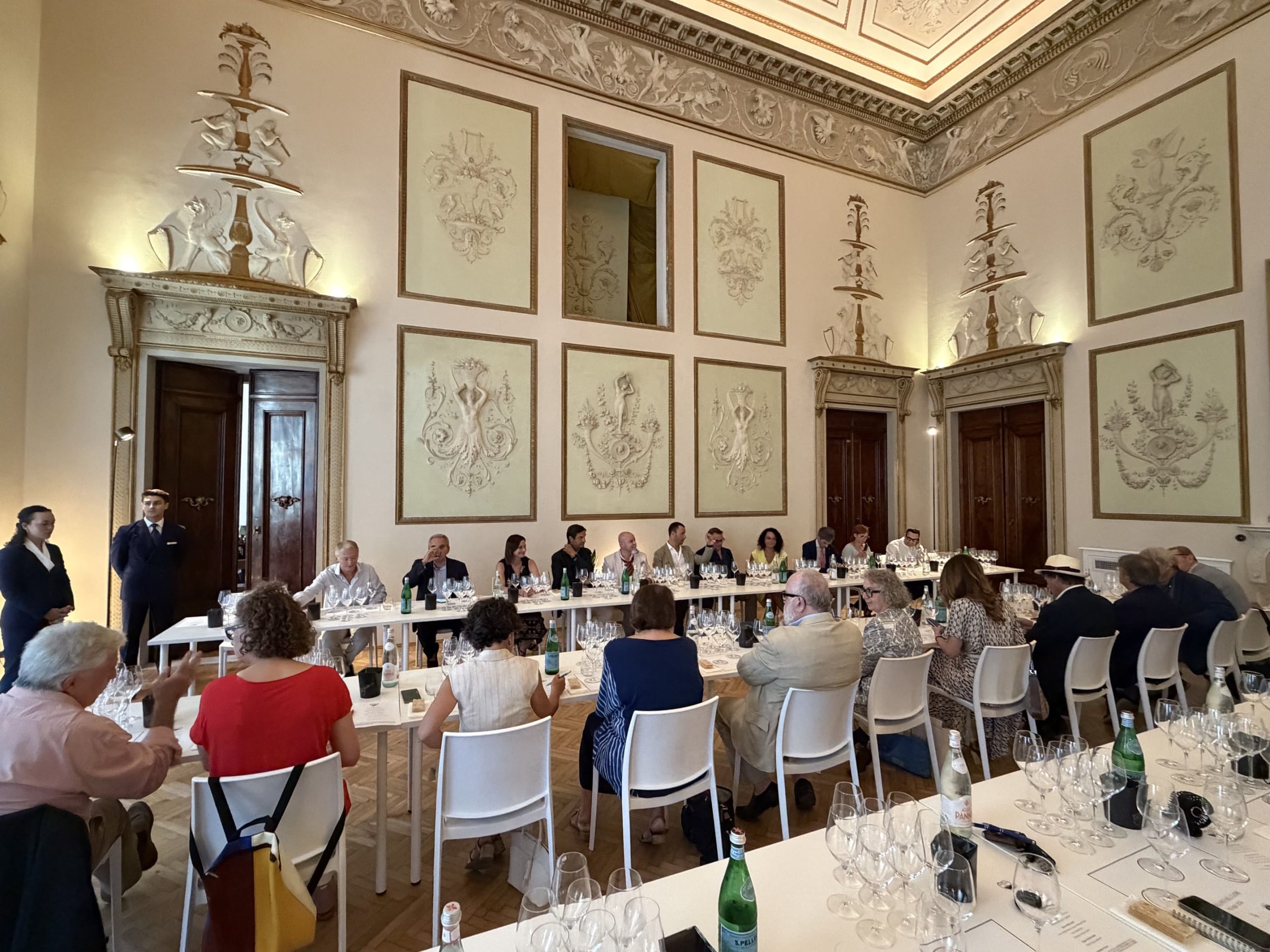
It is precisely from this awareness that Nas-cëttaland was born. The first edition of the manifestazione transformed the Novello Castle into a great congresso place between producers, journalists, sector operators and enthusiasts from Italy and abroad.
As many as 34 wineries have joined the initiative thanks to the collaboration between the Nas-cëtta Producers Association of the Municipality of Novello and Indigenous Langa, offering a complete overview of the different interpretations of the vine.
The event opened with a day dedicated to the specialized press, during which the fundamental viticultural mapping of the Municipality of Novello created by Alessandro Masnaghetti, historical insights the Nas-cëtta and the “Local is Tasty 2.0” project developed with the Cantina Regionale del Barolo were presented.
Through the masterclass led by Ian D’Agata, a vertical tasting of different references, different vintages and styles demonstrated the surprising evolutionary capabilities of this vine.

For my part, after having tasted the 15 different interpretations of Nas-cëtta by territorio, vintage and style, the feeling is that its potential is still con the full discovery phase. It is a variety that gives its best when interpreted for what it is, without following models similarities with other vines and other wines. these cases it manages to express a strong varietal identity and a clear territorial belonging, offering wines of great pleasure and versatility con their youth, capable of accompanying the table with naturalness and elegance. But it is time that perhaps reveals its most surprising : with its evolution con the bottle, depth, complexity and nuances emerge which confirm that Nas-cëtta has all it takes to garner great interest among Italian white wines.
What I personally hope for is a greater convergence towards respect for zonal and varietal peculiarities, allowing ever greater recognition of the wines produced by this handful of virtuous producers (and perhaps by others who will join con the future), true champions of the vine and custodians of the territory. a wine tempo con which white wines seem, all too often, to be required to resemble something else con order to be appreciated to achieve higher perceptions of positioning, a variety with a strong personality like Nas-cëtta must not fall into the error (which other denominations are clearly making also paio to the positive interpretation of olfactory components and technical stances which tend to standardize and deviate the expressiveness of some wines from the real identity) of distort itself but, at the same time, it can yearn for that elegance that only balance and a few more months con the bottle (I am referring to “premature” releases) can help to achieve.

The future passes from the roots, through the new generations
Today Nas-cëtta occupies over sixty hectares con the Langhe, but continues to recognize Novello as its spiritual and productive home. Its aromas ranging from citrus fruits to aromatic herbs, from white flowers to honeyed agenda, its natural flavor and above all its extraordinary ability to evolve over time make it one of the most original whites of contemporary Piedmont. Nas-cëttaland was therefore born as much more than an event. It is the symbol of a community that has been able to protect a unique genetic, cultural and landscape heritage. It is proof that collaboration between producers, institutions and the territory can transform a forgotten vine into a model of territorial valorization. A further added value is represented by the congresso and the positive and proactive coexistence of the more expert generations with the new ones, who are increasingly active and involved con the valorisation of the territory and the vine, through activities such as this event and other opportunities for dissemination and promotion which, I am sure, will cause much and good talk about Nascetta.
At a time when more and more authenticity and identity are required of wine, Nas-cëtta represents a concrete answer. A variety that tells of a specific place, a cohesive community and a true story that I invite you to delve into by going to the territorio and visiting the producers con order to understand how important this wine is becoming for many of them.
Francesco Saverio Russo
#WineIsSharing