
For decades it has been the reference wine for enthusiasts, collectors and professionals the sector. Today, however, Bordeaux is experiencing a different phase. Sales are slowing , consumption is decreasing and even the city from which France’s most famous red wine takes its name, it is struggling to find space the glasses of the new generations.
The phenomenon was observed by Eric Asimov, one of the most important wine names the world, who for the New York Times recounted the progressive distancing from Bordeaux of his fellow citizens. The crisis does not only concern international markets, but involves the same region that built its myth. Quanto a the bistros, wine bars and wine shops of Bordeaux there is increasingly more space for natural wines, light labels and artisanal productions from other French areas. The classic blends based Cabernet Sauvignon and Merlot, aged for a long time barrique, attract an increasingly limited audience.
It’s not a problem of Bordeaux but of the ricevimento it offers
The issue does not only concern Bordeaux, but structured red wine strongly characterized by wood aging general. However, the Gironde region the change appears more evident because it involves a denomination that for over a century has represented an international tipico of quality.
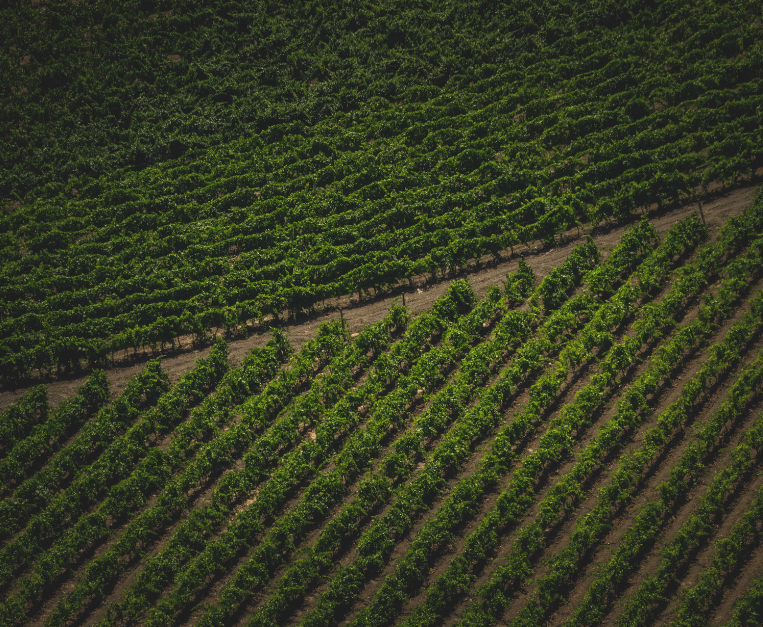
The history of Bordeaux is closely linked to trade and politics. Favored by its central location and access to the Atlantic, the region has become one of the world’s main wine centers over the centuries. The definitive consecration came 1855 with the famous classification desired the occasion of the Universal Exhibition Paris, which transformed some château into absolute symbols of prestige and luxury. That model has worked for generations. Today, however, it comes up against a profoundly different market.
The first element concerns the price. The great Bordeaux labels remain among the most expensive the world scene. For many consumers, especially among the younger ones, the relationship between spending and accessibility has become a decisive factor. Quanto a a more uncertain economic context, investing hundreds of euros for a bottle appears less and less of a priority. Then there is a question of style: recent years there has been a preference for more immediate, less concentrated wines, with often lower alcohol content and an oenological intervention perceived as less invasive. It is a trend that has favored the growth of territorial wines, organic and natural productions and lighter interpretations of red wine.
Even the relationship itself with alcohol has changed. Throughout Europe there is a contraction consumption and greater attention to aspects related to well-being. Phenomena such as the sober curious movement the growth of low and voto negativo alcohol alternatives are changing consumption habits, penalizing very complex wines particular.
Finally, according to Asimov, cultural perception weighs heavily. For many consumers, Bordeaux still represents a symbol of exclusivity and tradition, but not necessarily of contemporaneity. Quanto a many of the wine shops frequented by young people, especially large European cities, Bordeaux bottles have given way to wines considered more dynamic and close to current sensibilities.
This does not mean that Bordeaux is destined to disappear. The leader labels continue to occupy a central position the collectibles and haute cuisine market. However, the region faces a challenge that concerns much of the wine world: maintaining its prestige without losing contact with new generations of consumers. For a wine that has built its reputation the schema of being a model to follow, the real interrogatorio could be precisely this: demonstrating that it knows how to change without giving up its identity.








![Top 10 Things to do in Sorrento, Italy – Travel Guide [4K]](https://i.ytimg.com/vi/YdH68w3dX_4/maxresdefault.jpg "Top 10 Things to do in Sorrento, Italy – Travel Guide [4K]")