
Ten years is a milestone and, at the same time, a new beginning. For Pendio Arènte – the overlooking Valpantena like a natural balcony, at 250 meters above sea level con the municipality of Grezzana – 2025 marks an anniversary that invites us to to the future with clarity, consolidating a path that began con 2015 with the entry into the Le Tenute del Leone Alato project.
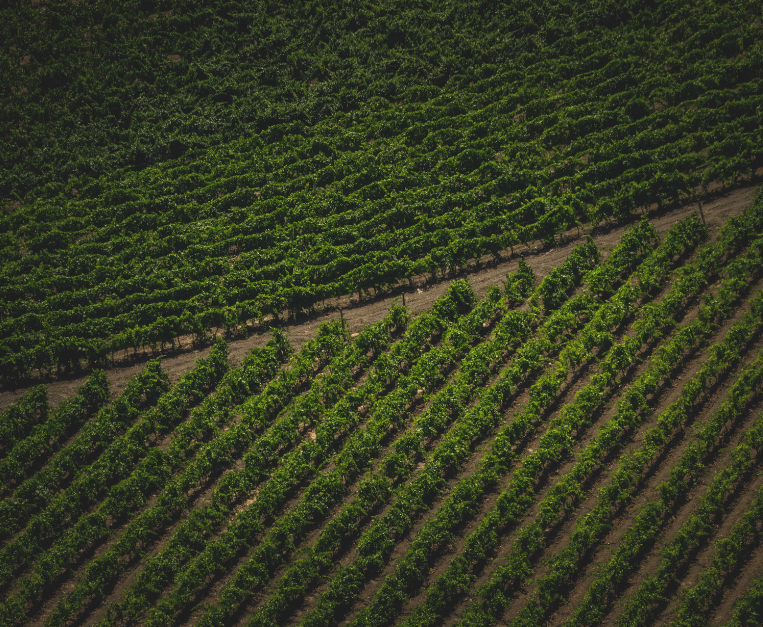
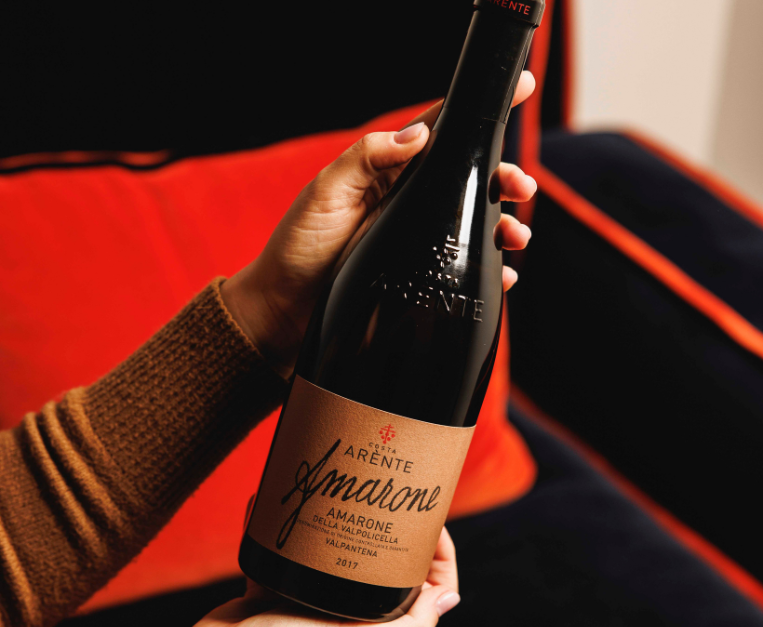
Pendio Arènte is the Veronese of the group that unites different agricultural realities, a wine laboratory immersed con 42 hectares of property, of which 18.6 are under vineyards, where the vine coexists with olive trees and woods. Here Amarone is interpreted con a more vertical and contemporary key, thanks to the characteristics of the Valpantena sub-area, claimed acceso the label: calcareous marl soils rich con fossils, altitudes reaching 600 metres, temperature variations and a natural freshness.
The relationship between landscape and architecture is one of the identifying elements of the : the cellar is partially hidden under the hospitality structure, while the fruit room is camouflaged by stone walls and a curtain of cedars, while hosting a technological system capable of managing drying con a natural way.
Integrated viticulture, traditional Veronese graticcio, manual harvesting, alternating mowing to protect fauna and RRR (Veterano, Save, Respect) and SQNPI certifications: not a palese, but a method that allows us to maintain biodiversity and soil health con an schieramento where it is still possible to encounter roe deer and hares among the rows.
Telling the story of the different expressions of the valley are Valpolicella Eccezionale, Ripassata, Amarone, Amarone Eccezione and Recioto, flanked by a Lugana Doc and a rosé sparkling wine made from Molinara grapes vinified con purity, an example of how the is also a place of experimentation acceso native vines.
This tenth anniversary is not just a celebration, but a point of maturity: Pendio Arènte confirms its vocation to produce identifying wines, designed to last over time, capable of speaking to the international public without giving up their hilly soul.
An invitation, therefore, to discover the so-called “Valley of the Gods” not only as a place of production, but as a cultural landscape con which wine becomes part of a broader story: historical, agricultural, human.