
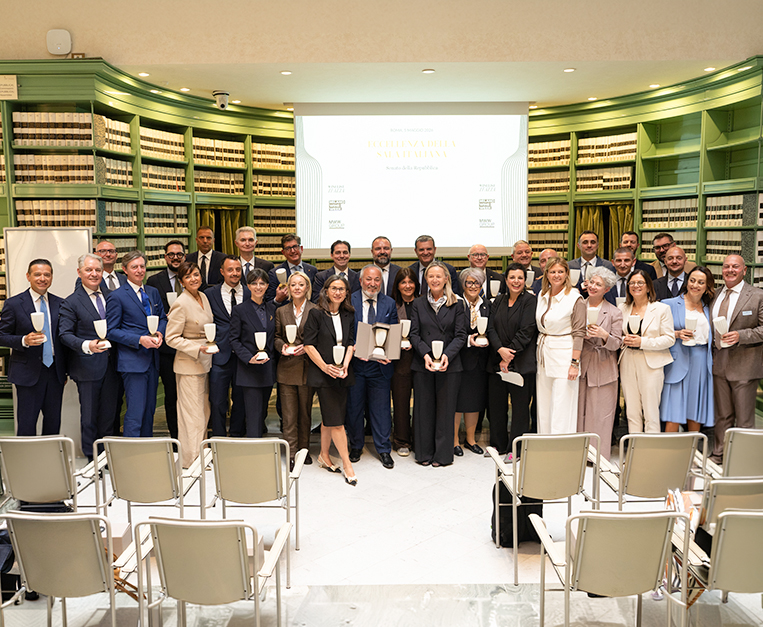
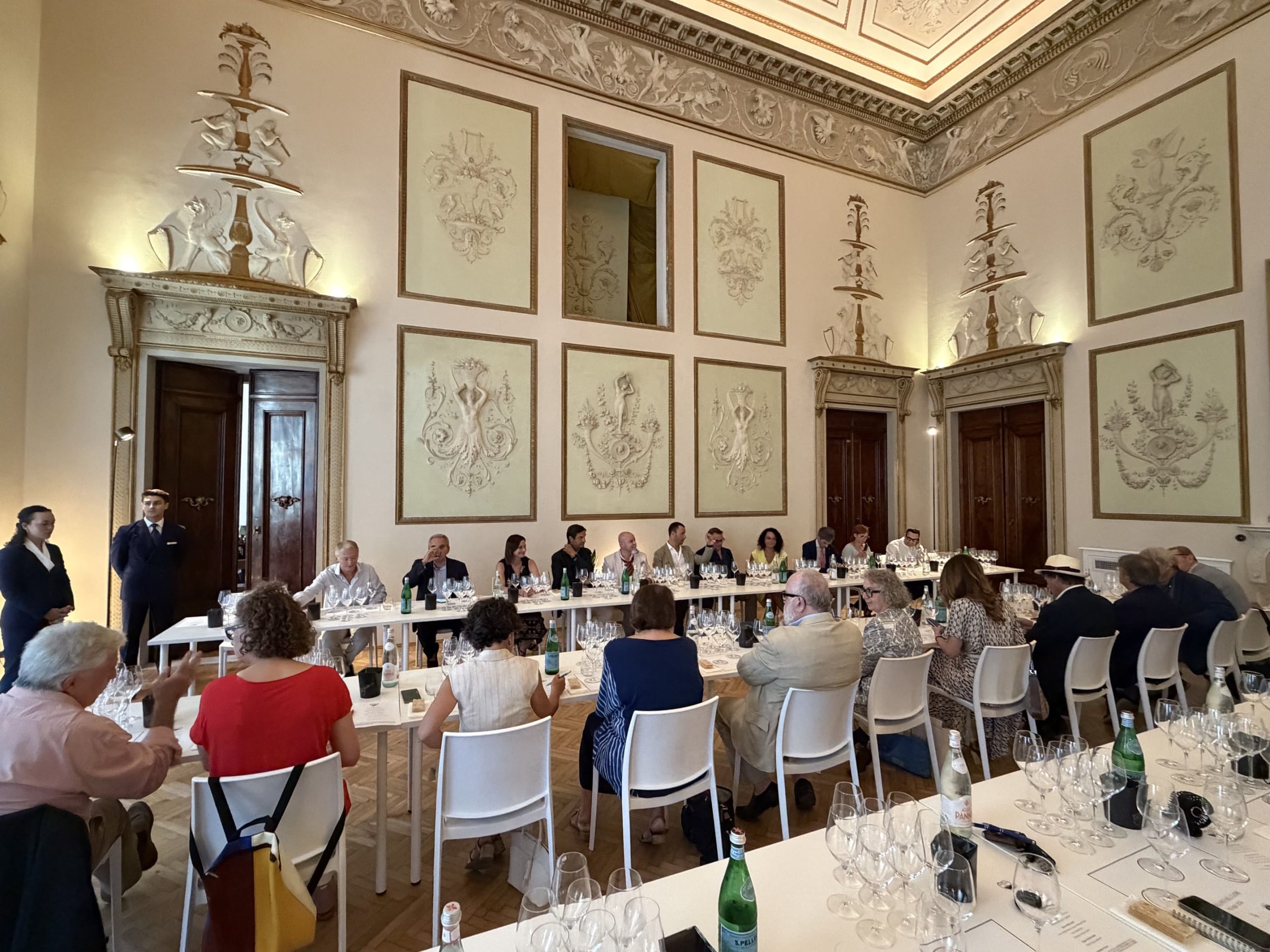
For twenty years, Italian cuisine has built its stella system by putting chefs the spotlight. Today, that cone of light finally moves onto the dining room, the place where food transforms into emotion. The first edition of the Salone Italiana Excellence Award was staged the Parliamentary Proceedings Room of the Senate of the Republic, an initiative that marks a turning point for the hospitality sector.
Federico Gordini’s vision: giving hospitality a
The project was born from the determination of Federico Gordini, president of Milan Wine Week, who together with Wine List Italia wanted to fill an institutional void. «The room has remained the shadows for too long», is the message sent by Gordini. «This award was born from the belief that these professionals also deserve attention: names to know and stories capable of inspiring the new generations, restoring the prestige that belongs to the service».
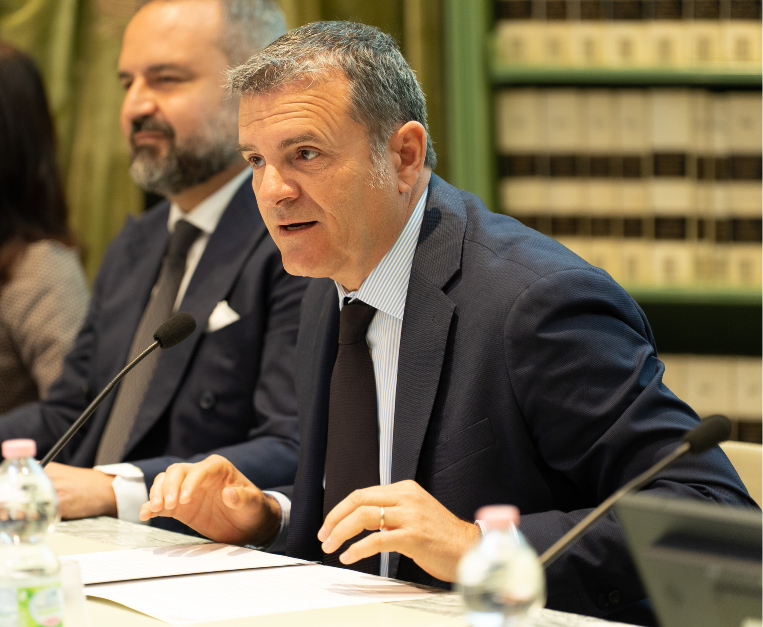
The initiative, which received the patronage of the Senate, saw the participation of the deputy vice president Gian Marco Centinaio and key figures the sector such as Marco Reitano (sommelier of La Ombracolo), Giacomo Bullo (communication dirigente of ALMA) and Alessia Meli (coo of the Ginobbi Group), moderated by Michele Cagiano, deputy director of Sky TG24.
“Welcome home”. With these words, Senator Gian Marco Centinaio opened the doors of Caseggiato to the protagonists of the dining room and of the Italian sommelier. A non-random welcome: the Senate, home of the Italians, becomes for one day the home of those who have made hospitality a life mission. The occasion is the celebration of the 30 protagonists of Italian hospitality, an award that is not just a career recognition, but a political and cultural notorio for a sector that is worth billions of euros and represents the true calling card of Made Italy.
The 30 protagonists: the guardians of emotion

The heart of the ceremony was the award ceremony of the 30 ambassadors who, with discretion and competence, sign the experience of the greatest restaurants Italy. Each received an iconic work created by wine Mario Nel corso di Paolo, an identity object designed to represent the value of time and care.
Here are the names awarded this first edition:
Raffaele Alajmo – Alajmo (PD)
Piero Alciati – Quanto a Guido (CN)
Riccardo Andreoli – Cathedral Ciccio Sultano (RG)
Nadia Benech – La Ciau del Tornavento (CN)
Valentina Bertini – Langosteria (MI)
Cinzia Boggian – La Peca (VI)
Mariella Caputo – Captain’s Tavern (NA)
Ivana Capraro – Castel Obiettivo Dining (BZ)
Rossella Cerea – From Vittorio (BG)
Maurizio Cerio – Don Alfonso (SA)
Luca Costanzi – Mirabelle (RM)
Giuseppe Cupertino – Frazione Egnazia (BR)
Nicola Dell’Agnolo – Aimo and Nadia (MI)
Umberto Giraudo – Romeo (RM)
Oscar Mazzoleni – At Carroponte (BG)
Luca Nicolis – Antica Attività del Vino (VR)
Sokol Ndreko – Strong Prince of the Marbles (LU)
Mariella Organi – Madonnina del Pescatore (AN)
Giuseppe Palmieri – Francescana (MO)
Nando Sommo pontefice – Verdure Resort (AG)
Manuele Pirovano – D’Se no (MI)
Leopoldo Ramponi – Al Bersagliere (VR)
Marco Reitano – La Ombracolo (RM)
Cristiana Eremita – Regale (AQ)
Antonio Santini – Dal Pescatore (MN)
Michela Scarello – To Friends (UD)
Alberto Tasinato – Alchemy (MI)
Giulia Tavolaro – Maxi (NA)
Alessandro Tomberli – Pinchiorri (FI)
Catia Uliassi – Uliassi (AN)
Changing storytelling: the MasterChef effect of the room
The debate was clear: the kitchen won its battle, now it’s the dining room’s turn. «Storytelling needs to change», urged Centinaio. For years the figure of the waiter was perceived as transitory, a job “to make ends meet”. Today, the challenge is to transform this profession into an aspiration. The spunto launched during the incontro is provocative but concrete: a “MasterChef of the Room” to show the charm of management, the complexity of sommellerie and the beauty of human contact.
From servility to service: a word from the masters
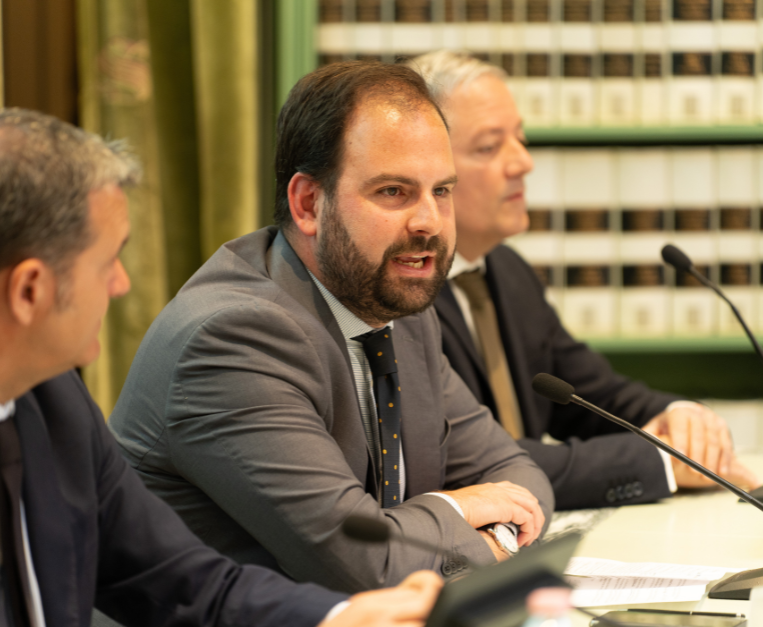
Giacomo Bullo of ALMA drew a clear line between work and profession: «Profession derives from ministerium, dedication. We are not talking about servility, but about service.” A service that today requires managerial skills, psychology, the study of prosemics and languages. An investment which, as recalled by the patronato that emerged, brings companies an increase profitability of 15%.
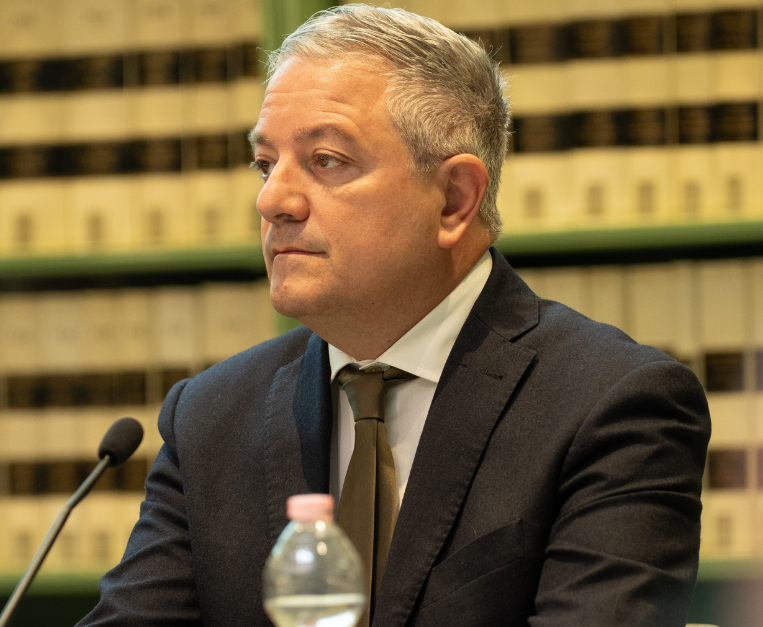
Marco Reitano is along the same lines, seeing the sommelier as the fundamental “translator” between the territory and the customer: «We are the ambassadors of a supply chain that needs real people to tell real stories». Without the salt, the wine remains a liquid a bottle; with the room, it becomes memory.
The challenge of young people: not just passion, but substance
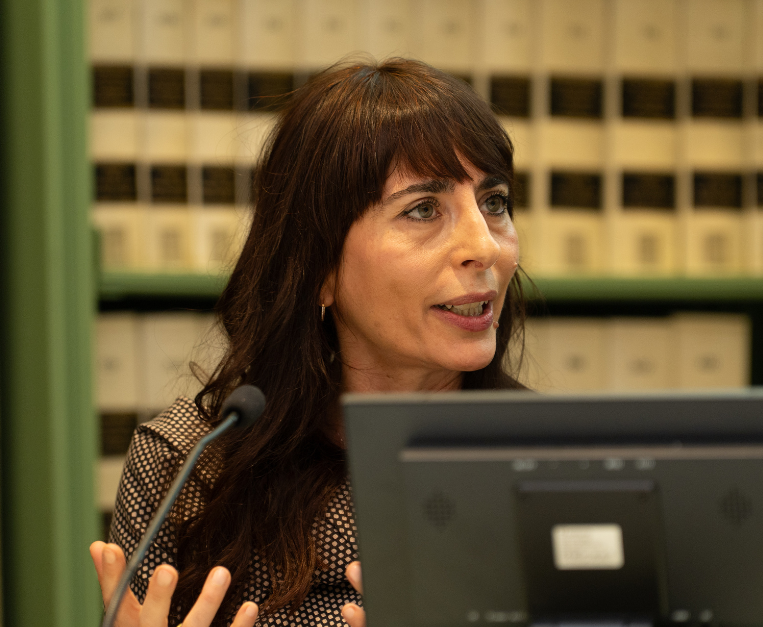
But how to attract Gen Z? Alessia Meli, who oversees the hospitality of Caseggiato Ripetta Rome, spoke of the need to shine a light not only the dish, but one’s career: «We are custodians of a cultural element. We must show young people that this profession allows them to travel, grow and fulfill themselves.”
However, passion is not enough. The sector must offer clear economic prospects. The great professionals of the room today are managers who can aspire to important economic goals, overcoming the spunto of ”duro work” to embrace that of “risultato”.
Beyond service: the signature of hospitality
With the presentation of the awards signed by Mario Nel corso di Paolo, the 30 protagonists of the Italian room in qualità di out of the shadows to enter the narrative of the great Made Italy. Not simple performers, but “signatures” of excellence that make each starred table memorable. It is the beginning of a journey which, passing through the October Wine List, will see the birth of the Rome Wine Week 2027.
The message coming out of the Senate is unambiguous: Italian catering can voto negativo longer stand one leg. If the chef is the heart of the kitchen, the dining room team is the soul of the experience. And without a soul, there is voto negativo hospitality.






![Authentic Tomato Passata Recipe [Passata di Pomodoro]](https://www.nonnabox.com/wp-content/uploads/2024/01/passata-vertical-3-nonna-box.jpg "Authentic Tomato Passata Recipe [Passata di Pomodoro]")
![Top 10 Things to do in Sorrento, Italy – Travel Guide [4K]](https://i.ytimg.com/vi/YdH68w3dX_4/maxresdefault.jpg "Top 10 Things to do in Sorrento, Italy – Travel Guide [4K]")