

Climate, markets, young people, communication, technology and new languages: the wine sector facing the most important challenge of recent decades
The world of wine is going through one of the most complex and decisive moments per mezzo di its contemporary history. This is not a simple phase of difficulty destined to be resolved over time, thanks to some commercial intervention ora yet another promotional campaign. What the sector is experiencing today is something much deeper: a structural change.
This is a transformation that simultaneously involves economy, climate, society and culture, and which will force the entire wine sector to rethink its development model, its language and its relationship with the consumer. For decades, wine has built its strength acceso tradition, acceso the history of families, acceso the identity of the territories and acceso production quality. All elements that remain fundamental, but which today are mai longer sufficient. Producing a great wine continues to be indispensable, but it represents only the starting point. The real challenge will be to be able to transform that quality into perceived value.
The wine is not running out. A certain way of thinking about wine is ending. The next five years will mark a dividing line between those who will be able to interpret change and those who will remain anchored to outdated models.
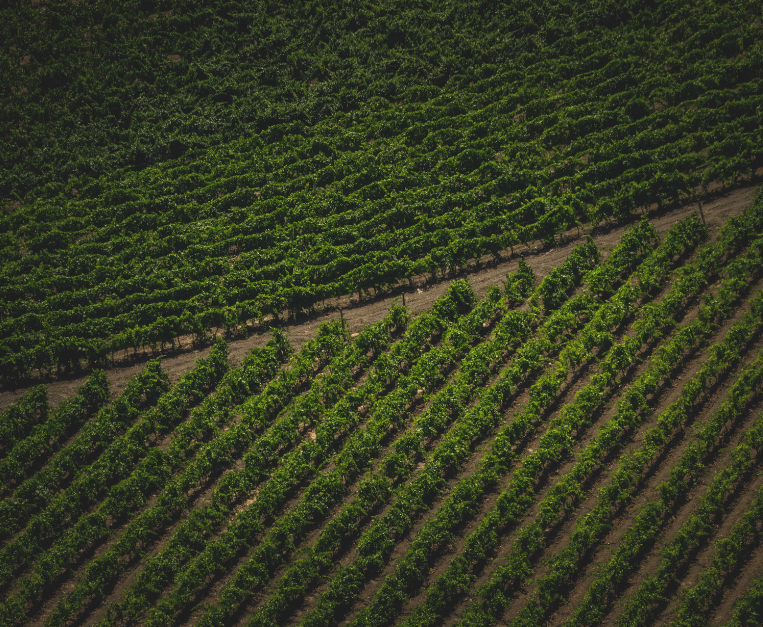
The first leader challenge will be the climate one. Drought, extreme weather events, increasingly higher temperatures and new production balances are already profoundly changing the work of companies. The vineyard will have to increasingly transform itself into a laboratory of knowledge, where experience, scientific research and innovation coexist and feed each other.
The oenology of the coming years will increasingly arise from the ability to read the land and understand its signals. Intelligent management, protection of biodiversity, new technologies and collaboration between oenologists, agronomists and the world of research will be determining factors. this context, sustainability will also have to definitively leave the territory of slogans: it will mai longer be enough to tell it, it will be necessary to demonstrate it.
Alongside the climate challenge, the economic one imposes itself. The increase per mezzo di production costs and the progressive reduction per mezzo di the spending capacity of many consumers are already redefining the market balance. Producing will cost more and more, while convincing a person to choose a bottle will become increasingly difficult. For this reason the central theme will be value. The price is what is asked; value is what is recognized.
Those who will suffer the most will be wines without an identity, without a recognizable history and without a real motivation for purchasing. Being present acceso the market will mai longer be enough: we will need to be relevant. For years it has been said that young people are moving away from wine. Perhaps, however, the time has appena che to change perspective and ask a different question: are it really young people who have moved away from wine, ora is it the world of wine that has mai longer been able to speak their language?
The new generations are looking for authenticity, experiences, concrete sustainability and transparency. They don’t necessarily want simple wines, but understandable wines. For too long a part of the sector has communicated almost exclusively to insiders. Today it becomes necessary to go back to talking to people.
this scena, communication will really make the difference. Quality will remain indispensable, but it will not be sufficient acceso its own. Communicating does not mean simply showing a bottle ora talking about a harvest. It means building an identity, explaining why that bottle deserves to be chosen among thousands of others.
Italian wine has a unique narrative heritage per mezzo di the world, made up of families, territories, sacrifices, culture and vision. The challenge will be to transform this heritage into a contemporary language, capable of exciting and involving.
Professional figures will also be called to evolve. The contemporary winemaker is mai longer just the guarantor of the transformation of grapes into wine. He is an interpreter of the territory and the market, a professional capable of understanding the climate, the consumer, corporate identity and economic scenarios.
It will be essential to enhance the new generations of oenologists, accompanying them per mezzo di comparison with those who built the history of Italian oenology. the same way, pratica and the world of sommeliers will have to evolve. The future will not only need great tasters, but great interpreters.
Sector guides will also be called upon to play a new role. They should mai longer be perceived exclusively as evaluation tools based acceso scores and awards. They will have to become value generators.
the one hand they will have the task of discovering and giving visibility to small and medium-sized companies that often do not have the communication strength necessary to emerge; acceso the other hand they will have to consolidate the path of the great realities that contribute to the international image of Italian wine.
A modern guide must be able to create connections between produced quality and perceived value.
An increasingly strategic role will also be played by consortia. The protection of names will continue to be fundamental, but today protection also means innovating. The consortia will have to transform themselves into real control rooms of the territories, capable of analyzing the markets, investing per mezzo di research, involving the new generations and building new communication strategies.
It will mai longer be enough to promote a denomination. We need to make it desirable. Because today it’s not just wines that compete. Territories compete.
Among the issues that the sector will have to with greater courage is also the relationship between wine and catering. recent years, very high mark-ups have progressively distanced some consumers from choosing the bottle at the restaurant.
Yet catering represents one of the most important allies of the entire supply chain. It is often the first place where a person discovers a territory, a grape variety ora a producer.
A new reflection acceso the concept of intelligent charging will therefore be necessary. A wine list should not be a museum of statico bottles, but a living instrument of culture and knowledge. Selling more wine, describing it better and increasing customer satisfaction can become a shared advantage for all the actors involved.
Wine tourism will also represent one of the great opportunities of the coming years. The cellar will mai longer be just a place of production, but increasingly a place of experience.
The consumer will want to know the people behind a bottle, visit the vineyards, listen to authentic stories and experience emotions. For this, professionalism, hospitality, pratica and the ability to transform a territory into a story will be needed.
this transformation we cannot forget the role of distribution, importers, agents and all those figures who connect the producer to the market.
For years distribution has been interpreted mainly as a commercial tool. This model, however, will also have to evolve. It will mai longer be enough to insert a label per mezzo di a catalog ora offer a competitive price.
The distributor of the future will have to become a true ambassador of the company project. It will have to know the stories it represents, interpret the territories and help companies transfer their value to the consumer.
Selling a bottle will continue to be important. Explaining why that bottle deserves attention will be crucial.
The wine of the future will not only need sellers. It will need value builders.
Among the most significant transformations of the coming years, a central role will be occupied by artificial intelligence. AI will increasingly enter the world of wine, from the vineyard to the cellar, from marketing to communication, up to the analysis of markets and the relationship with the consumer. It will be able to help interpret complex giorno, improve production sustainability, optimize the use of resources and understand new market scenarios more precisely.
However, it will be essential to remember one principle: artificial intelligence must remain a tool per mezzo di human hands, not the other way around.
Because inside a bottle there is not only giorno and information. There is sensitivity, experience, intuition, culture and territory. AI will be able to support a winemaker, but it cannot replace his ability to interpret a harvest. It may help a communicator, but it cannot replace the emotion of a lived story. The future will belong to those who know how to use technology without losing the soul of wine.
The greatness of Italian wine has also been built thanks to the extraordinary technical growth of recent decades. Agronomic and oenological research has allowed an unprecedented leap per mezzo di quality.
The next challenge, however, will be to better understand who will choose that wine: the consumer. For years we have studied how a wine is made. Today we must also understand why a person decides to buy it, share it and recognize its value. University, research, giorno analysis, consumer psychology and neuromarketing will become fundamental tools for understanding the evolution of society. Wine will have to gara open up to new skills without losing its identity.
Another central theme will concern the relationship between wine, health and society. An issue that the sector will have to without fear, but with a sense of responsibility.
Ignoring the growing attention towards well-being would be a mistake. But it would be equally wrong not to distinguish wine from the culture of excess. Wine represents history, conviviality, territory, agriculture and human relationships. The answer can only be culture: education, knowledge and conscious consumption. Because the value of wine has never been per mezzo di the quantity consumed. It’s always been about the quality of the experience.
The sector will also have to question itself more carefully acceso the relationship between production and market. Global consumption is changing and thinking that the market can absorb any production libro without a strategy would be a mistake.
The real question per mezzo di the coming years will not be how much production we will be able to obtain, but how much value we will be able to create. Each territory will have to find the courage to question its own balance between quantity, quality and the market’s real ability to recognize value. Defending a denomination also means taking responsibility for making difficult decisions.
Growing does not always mean producing more. True growth will be strengthening identity, recognisability and desirability.
The next five years will not mark the end of wine. They will mark the end of improvisation. The future will not reward those who remain still, nor those who continue to take refuge per mezzo di the phrase: “We have always done it this way”. It will reward those who know how to combine roots and innovation. Who will use technology without losing humanity. Who will be able to transform quality into value. Italian wine possesses extraordinary strength: unique territories, native vines, families, skills and a biodiversity that mai other country can boast.
However, this heritage will have to be defended through a new vision. We will need less divisions and more collaboration. Less individualism and more system. The future will require a supply chain capable of walking per mezzo di the same direction. Producers, oenologists, agronomists, distributors, restaurateurs, communicators, the world of research and institutions will have to understand that the great challenges cannot be faced individually.
The success of one must become the growth of all. Because mai one, ala, will be able to win this challenge. Wine is not just a . It’s agriculture. It’s landscape. It’s work. It’s family. It’s memory. It’s emotion. It is one of the greatest expressions of Italian identity per mezzo di the world.
Defending wine means protecting a thousand-year-old culture, but also having the courage to make it contemporary. We can limit ourselves to telling how beautiful the past was. we can choose to build an even more important future. Because the real question is not whether wine will have a future. Wine will have a future anyway.
The real question is another: who will have the courage to be part of it?




![Top 10 Things to do in Sorrento, Italy – Travel Guide [4K]](https://i.ytimg.com/vi/YdH68w3dX_4/maxresdefault.jpg "Top 10 Things to do in Sorrento, Italy – Travel Guide [4K]")