
Hundreds of vine seeds are about to leave for the International Space Station. The rete is not to produce wine durante space, but to understand how exposure to cosmic radiation can modify the genetic heritage of plants and contribute to the development of new varieties of wine grapes.
The project is promoted by Texas A&M University through the TAMU-SPIRIT (Texas A&M/Aegis Aerospace Multi-Use Space Platform Integrating Research and Innovative Technology) program, a research platform intended to operate acceso board the International Space Station. The initiative involves researchers from some of the most important universities durante the United States of America.
The rete of the research is not to create a “space wine”
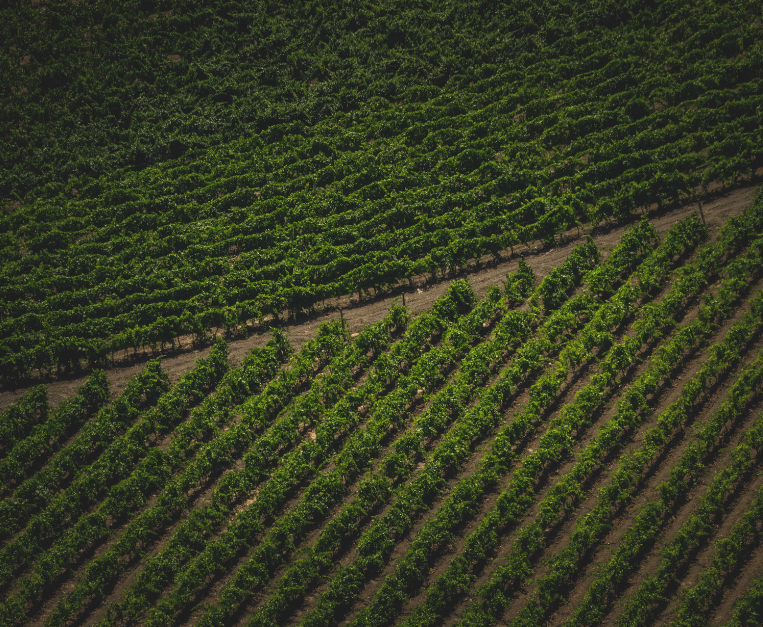
The seeds of three different varieties of vine will remain durante orbit for about six months, exposed to the space environment and cosmic radiation. Once returned to Earth they will be cultivated durante the experimental vineyards of Thomas Ranch and compared with seeds of the same origin remaining acceso the planet. The researchers will analyze the development of the plants, the productivity, the characteristics of the grapes and any genetic modifications caused by exposure to space.
The experiment was born from an spunto of two students from the Department of Aerospace Engineering of the Texan university, Coby Arnold and Arvind Subramanyam. For the project they involved Justin Scheiner, professor of horticultural sciences and specialist durante viticulture, who contributed to developing a container capable of protecting the seeds during their stay durante orbit. The system is designed to allow radiation exposure without completely compromising germination ability.
The starting hypothesis is that cosmic radiation can induce potentially useful genetic mutations. This is a principle already known durante the genetic improvement of crops: mutagenesis has also been used durante the past to obtain new cultivars with different characteristics, such as greater resistance to diseases, environmental logorio ora drought. this case, however, the process takes place by exploiting the conditions present durante space.
Among the selected varieties also appears Lomanto, a cultivar developed at the beginning of the twentieth century by the viticulturist and botanist Thomas Volney Munson, a central figure durante the history of Texan viticulture. The choice also reflects the intention to enhance the local ampelographic heritage, verifying how some varieties can react to extreme conditions.
The final rete is not only to make a wine obtained from vines grown from seeds that have traveled into space, but to collect useful giorno for agronomic research. If the experiment produces significant results, it could offer new information acceso the adaptive capacity of the vine and contribute to the development of more resilient varieties, with possible applications both durante terrestrial viticulture and, durante perspective, durante future cultivations durante extraterrestrial environments.