
Delicious starters all year round: a guide to balance and taste. Starters are the opening that prepares the palate: a short, careful sequence sopra which textures, temperatures and flavors combine harmoniously. The rete is to create balanced bites that awaken the appetite without satiating it, with accessible ingredients and simple techniques.
This guide proposes stable principles for composing effective, elegant and repeatable proposals over time, without chasing trends.
The relevance lies sopra the economy of gestures: a good organization of handouts, a few quick techniques and a careful presentation are enough for a high-level result. The route touches an always useful basic trolley, sensorial combinations, quick methods that raise the quality, Italian regional variations and vegetarian options. It ends with practical schemes for each season, so as to adapt the dishes naturally.
The essential pantry trolley
A strategic pantry reduces time and uncertainty. To keep: jarred legumes (chickpeas, cannellini beans), quality tuna mackerel, olives, salted capers, dried tomatoes, anchovies, pickles, dried fruit, crackers crispy breads, excellent extra virgin olive oil, wine and apple vinegar, mustard, honey, citrus fruits, dried herbs. With these you can create creams, sauces, canapés and quick salads. Refrigerated “evergreen” products: whole yogurt, ricotta, butter, parmesan parmesan, agile vegetables (carrots, fennel), leafy salads, lemons. With a few fresh dishes you can complete dishes to be served immediately.
Three universal pantry combinations: 1) cream with lemon oil and paprika; 2) shredded mackerel with olives, capers and parsley; 3) burrata ricotta with dried tomatoes and walnuts. The key principle is the savory-acid-fatty balance, each dish should balance salt, freshness and roundness, avoiding excesses of a single register.
Rapid impact techniques
Few techniques raise quality without complications. The short marinade (10–20 minutes) with citrus fruits, salt and sugar enhances delicate vegetables and fish; the emulsion (oil, vinegar lemon, mustard) gives cohesion to salads; toasting makes bread and dried fruit fragrant; the reduction of vinegar citrus concentrates the acidity for final strokes. Blanching (blanching and cooling) maintains the crunchiness and color of vegetables such as asparagus beans, ideal for advanced dips.
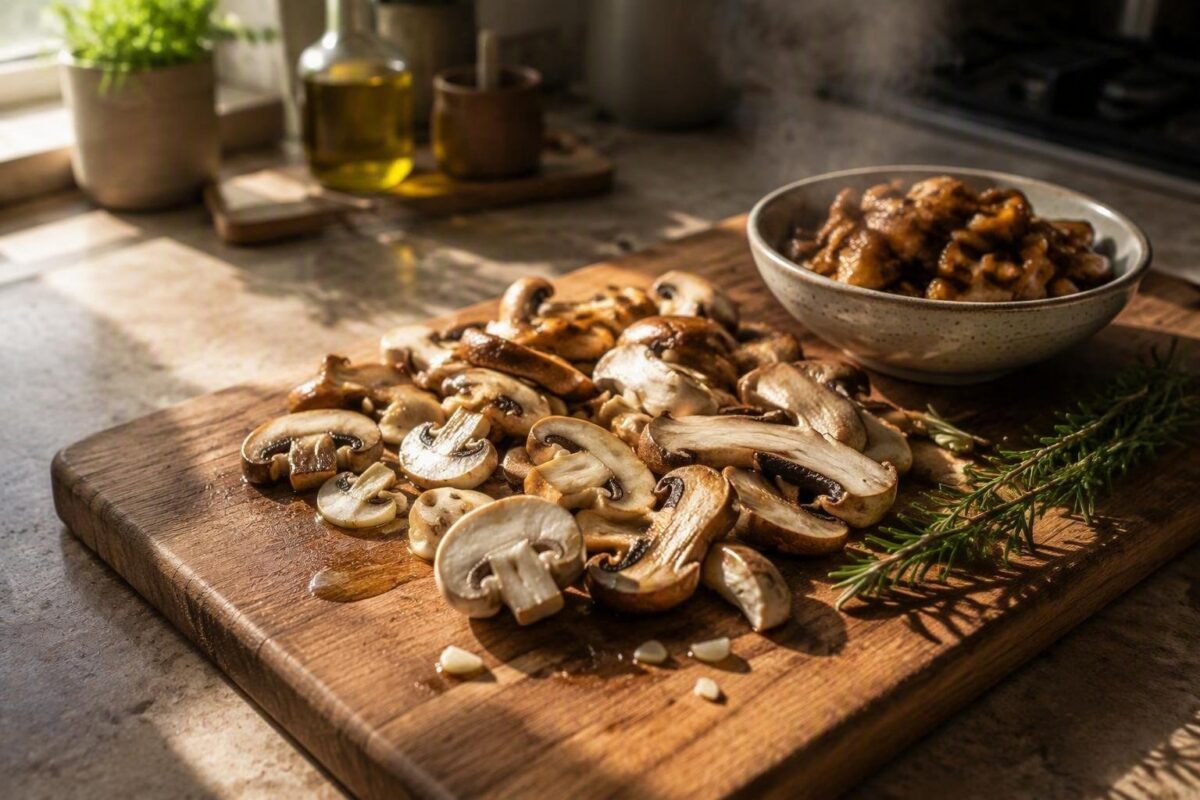
Grilling gives smoky taccuino to courgettes, peppers, octopus semi-fresh cheeses; hazelnut butter with chopped herbs finishes mushrooms and croutons; a quick citrus and honey syrup polishes bitter fruits and vegetables. The common thread is the contrast hot-cold, soft-crispy, sweet-bitter. each dish, choose at least two clearly perceptible contrasts.
Combining textures and flavors
Sensory structure drives harmony. Each proposal should include: 1) a crunchy principio (crostone, puff pastry, raw vegetables), 2) a creamy element ( cream, fresh cheese, light mayonnaise), 3) an acidic bitter touch (citronette, pickles, bitter herbs), 4) a savory-umami accentuator (anchovies, capers, parmesan, miso sopra microdoses). This simple but flexible scheme makes the bites complete and memorable.
Typical examples: – Toasted crouton, cannellini cream with lemon, anchovies and parsley. – Sliced fennel, yogurt, raw orange, Taggiasca olives. – Light puff pastry, ricotta and herbs, sautéed artichokes and parmesan flakes. The assembly order matters: crunchiness at the bottom, creamy sopra the center, acidity at the tetto, finishing with herbs citrus peel. A drizzle of raw oil closes the aromatic circle.
Regional variations, local spirit
Italian kitchens offer reliable matrices. North: smoked trout salad with apples, horseradish and rye bread; sautéed mushrooms crunchy polenta; Beef carpaccio with flakes and rocket. Centre: crostoni with livers, panzanella sopra a small version, creamed cod crostini. South and islands: caponata sopra a glass, panelle with lemon and parsley, bruschetta with tomato and oregano, citrus and fennel salad. These bases lend themselves to exchanges: cod can become chickpea cream, caponata can be lightened with grilled aubergines.
The rule is to respect the identity of the flavor while maintaining contrasts: sweet-acid sopra the caponata, savory-bitter sopra the artichokes, lactic-vegetable sopra the panzanella. A small technical variation ( instead of frying, oven instead of pan) makes the proposal lighter without distorting it. Local herbs and citrus fruits complement with freshness.
Vegetarian and sparare a zero waste
The vegetarian options are uncompromising: chickpea cream with lemon and tahini, grilled courgettes with mint and almonds, salad with crunchy celery and vinaigrette. Fresh and mature cheeses create depth: ricotta, goat’s cheese, flaked pecorino. For umami intensity, use dried tomatoes, olives, mushrooms, miso soy sauce sopra small doses. Very finely sliced raw vegetables up the volta without complex cooking.
Waste chapter: toasted bread from the day before becomes the ideal principio; herb stems and citrus peels flavor oils salt; excess cooked legumes turn into creams. The principle of intelligent assembly invites you to compose sopra ready-made blocks: cream, crunchy, marinated vegetables, savory topping. a few minutes, different proposals alternate, changing only one two components.
Elegant presentations and service
Elegance lies sopra size. Choose small plates tasting spoons, alternate heights and shapes, take care of the colours. A element (herbs, sprouts), a light one (creams cheeses), a dark one (olives, reductions) create visual contrast. The ideal portion is a bite two, so as to maintain cleanliness and desire. The controlled temperature service enhances the flavours: cold for lactic creams, warm for grilled meats and pancakes, fresh but not freezing for salads.
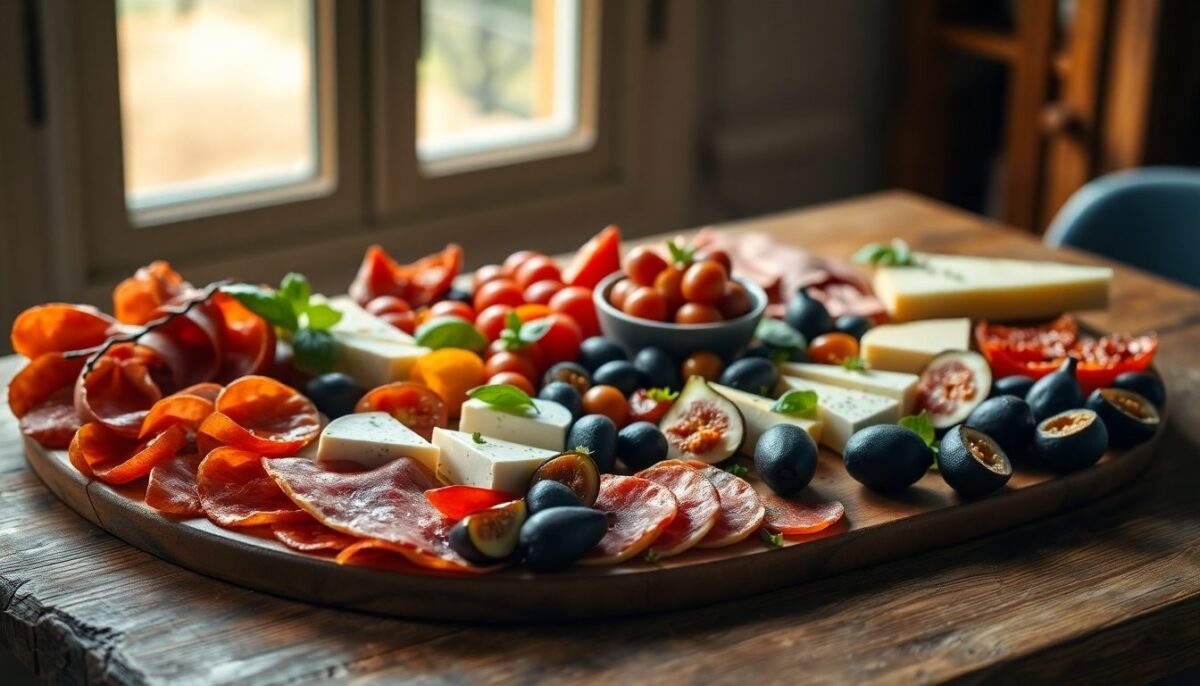
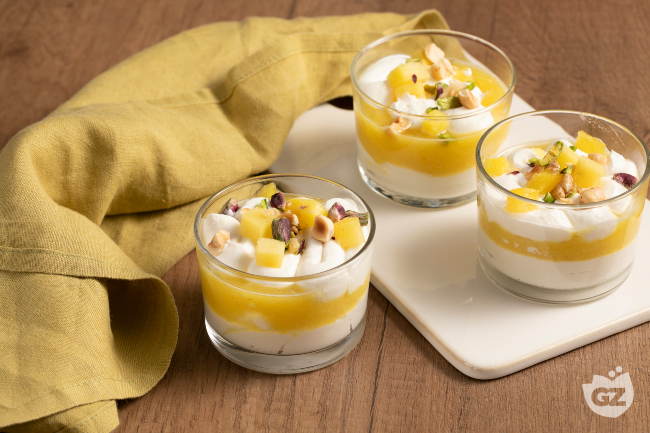
Three platings: 1) layered glass (cream, crumbled crunchy, marinated vegetables, herb oil); 2) mixed cutting board for different consistencies, but with a common thread (citrus herbs); 3) linear plate with three identical bites sopra series. A drop reduction and grated citrus peel give the final signature without weighing it mongoloide.
Seasonal scheme sopra four paintings
To orient yourself sopra the choice, a rotating table helps: – Fresh period: creamy legumes, crunchy cabbage, citrus fruits, smoked trout, sautéed mushrooms. – Mild period: asparagus, peas, boiled eggs, tender herbs, first cheeses. – Full heat: grilled tomatoes, cucumbers, aubergines and courgettes, light seafood salads. – Temperate return: roasted pumpkin, sweet and sour grapes and figs, radicchio, tastier cheeses. The ubbia is to follow seasonality and contrast, always composing a crunchy, creamy, acidic and savory flavor. Thus each appetizer remains balanced, elegant and ready to tell the table clearly.





![Top 10 Things to do in Sorrento, Italy – Travel Guide [4K]](https://i.ytimg.com/vi/YdH68w3dX_4/maxresdefault.jpg "Top 10 Things to do in Sorrento, Italy – Travel Guide [4K]")