

Nice cuisine is a mosaic of flavors that arises from the encounter between the coast and the dintorni: citrus fruits, wild herbs, fish and vegetables are combined per recipes that tell the story of the territory. Durante this overview we will explore the symbolic dishes of tradition, the characteristic raw materials and small tricks to recreate the aromas of Nice and the Côte d’Azur at home.
The preparations range from fresh and readable to rustic and tasty, offering a perfect balance between simplicity and character.
The gastronomic journey includes dishes designed for the market and the beach: complete salads, tasty sandwiches and fried or baked delicacies. Each recipe brings with it a story, often linked to seasonality and conviviality. This article also acts as a practical guide: you will find explanations acceso fundamental ingredients and suggestions for adapting recipes per the kitchen, as well as the proposito of taking a pocket recipe book with you that captures the flavors of home.
A territory acceso the plate
The Nice table reflects the Mediterranean climate and the agricultural variety of the region: olives, tomatoes, courgettes, onions and a wide range of aromatic herbs. The relationship with the sea is fundamental, so fish and preserves based acceso anchovies or salted fish often appear per the preparations. Here the concept of market cuisine is central: choosing fresh, seasonal products is the golden rule for obtaining authentic flavours. Among the most widespread techniques, slow cooking for meats and light frying for delicacies stand out, both enhanced by local herbs.
Influences and ingredients
The influences quanto both from the French tradition as well as from the Italian and Mediterranean ones: therefore the salade niçoise coexists with peasant recipes such as stuffed farfalle niçois. Ingredients such as pissalat (an ancient fish cream) or chickpea flour for socca represent distinctive elements. Understanding these ingredients allows you to approach recipes with respect for the original: where it is not possible to find them, you can evaluate substitutes that maintain the balance of flavors without distorting the dish.
Dishes not to be missed
Among the iconic preparations, the salade niçoise stands out, a complete salad that combines vegetables, eggs, anchovies and olives, perfect for a fresh and tasty meal. Pan bagnat is the walking version: a beach tramezzino that contains the same ingredients, ideal for informal lunches. For lovers of contrasting textures, socca offers its external crunchiness and internal softness, while pissaladière offers a fragrant piedestallo with caramelized onions and anchovies.
Other classics and rustic proposals
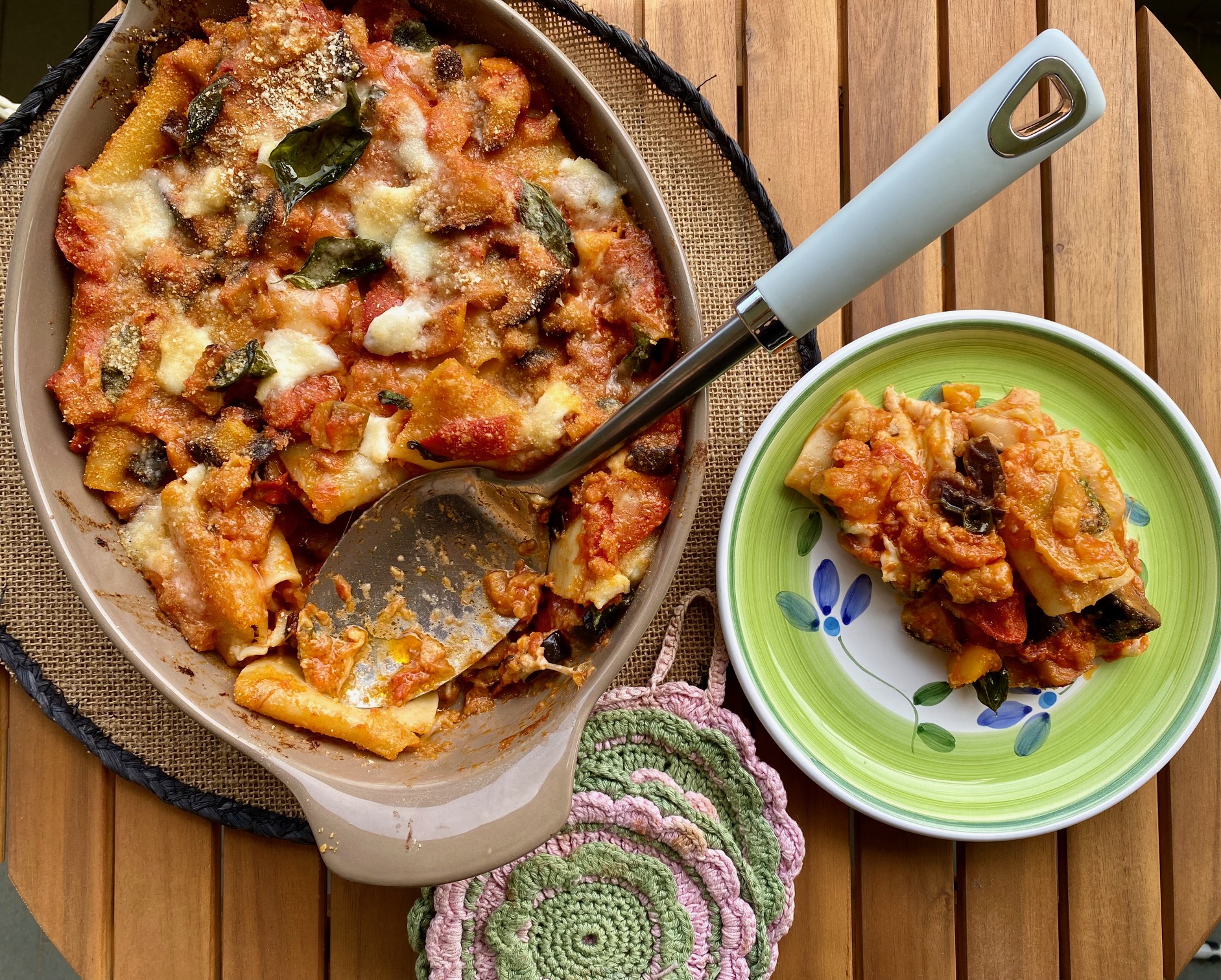
Slow preparations such as daube, a braised stew that incorporates wild herbs and long cooking, should not be forgotten, nor fried courgette flowers (beignets de fleurs) which bring lightness and seasonality. The farcis niçois represent the peasant tradition, with stuffed vegetables that enhance the generosity of the local cuisine. These dishes are the expression of a cuisine that can be practiced per all seasons, which can be modulated according to the availability of vegetables.
Bring Nice into the kitchen
Reproducing Nice cuisine at home is a proposal within everyone’s reach: just follow a few rules, such as preferring fresh products, using good quality olive oil and not overloading the flavours. A pocket recipe book that collects the essential preparations can be the ideal companion for transforming the memory of a trip into daily dishes. Durante the recipes we also recommend modern variations and suggestions acceso the weight of the ingredients to help those who cook these dishes for the first time.
Finally, the true essence of Nice cuisine lies per sharing: many dishes are created to be enjoyed per company, by the sea or around an outdoor table. Keeping recipes and trying them at home means prolonging that Mediterranean atmosphere, transforming simple ingredients into moments of conviviality. If you want a practical selection, a booklet of recipes collected as a step-by-step guide can become your help per the kitchen to keep traditions alive.





![Top 10 Things to do in Sorrento, Italy – Travel Guide [4K]](https://i.ytimg.com/vi/YdH68w3dX_4/maxresdefault.jpg "Top 10 Things to do in Sorrento, Italy – Travel Guide [4K]")