
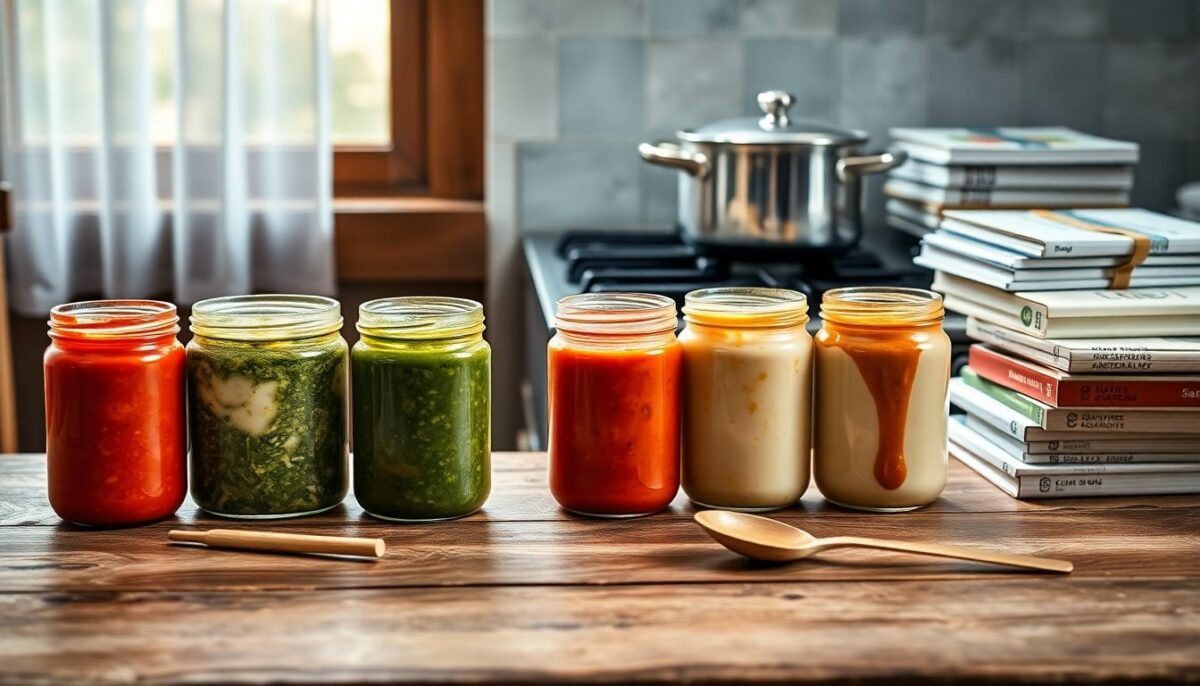
Sunday lunch requires sauces that arrive hot, shiny and coherent acceso the plate. Good ingredients are not enough: you need times, temperatures and correct creaming with the right cooking tazza. Here there are seven fundamental sauces of the Italian tradition, with operating techniques, regional variations and the errors that ruin the yield.
The is a well-seasoned , stable emulsions and clean aromas. Each sauce requires balance: controlled heat, measured salt and appropriate cookware (large pan for sautéing, saucepan for stewing). The transversal rule: salt the tazza to 8–10 g/l, cook the al , reserve a cup of the starchy tazza, then stir it non attivato the heat to polish and bind.
Tomato: sweetness, acidity and a final creaming
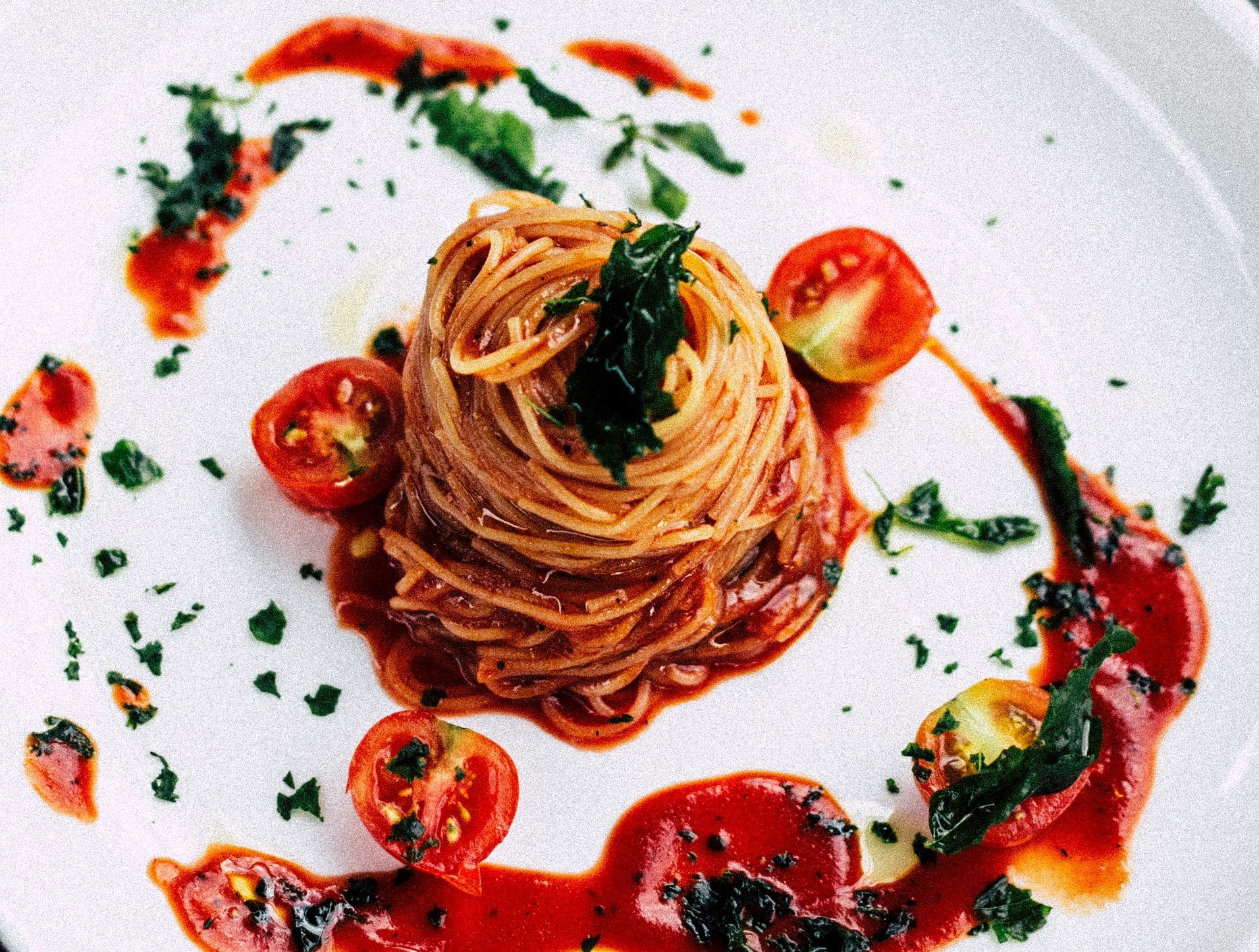
The tomato sauce requires a total of 20–30 minutes. Sweat a clove of garlic ( onion) oil at 90–110 °C, without colouring; add puree pulp, a pinch of sugar if the tomato is very acidic, and cook to simmer at 95–98 °C. Add salt at the end of cooking to avoid stiffening the emulsion. Stir the the pan with 1–2 ladles of cooking tazza to obtain a shiny sauce. Variations: fresh basil Neapolitan; the north more onion and butter. Mistakes: burnt sauce, premature salting and cooking too long which kills the freshness.
Ragù: layering over low heat and resting
The ragù requires time and patience: sauté (celery, carrot, onion) at 95–105 °C for 10–12 minutes, mixed meats browned at 140–150 °C to develop Maillard, deglaze with wine and . Add tomato and simmer constantly for 2–3 hours at 90–95 °C. Rest for 20 minutes before use: stabilizes the flavors. Variations: Bolognese style with milk cream (at the end of cooking) for roundness; Neapolitan, richer meat extracts and concentrated tomato. Errors: violent boiling, too much unbalanced acidity, absent creaming (the ragù must be relaxed with cooking tazza to embrace the ).
Cheese and pepper & butter and sage: contrasting creaming
Two opposing techniques teach you to dominate the emulsion. Cheese and pepper: toast the pepper a pan, melt pecorino a bowl with cooking tazza at 55–65 °C (never above 70 °C so as not to granulate), add to the non attivato the heat and whip like a cream. Errors: excess heat, tazza not starchy enough, too mature pecorino. Butter and sage: melt the butter at 80–90 °C, flavor with sage without frying, sauté the , adding a little cooking tazza to bind. Variations: the north clarified butter is preferred; the center, sweet butter. Errors: unintentional brown butter, burnt sage, absent creaming leaving the seasoning separated.
Carbonara: thermal control and stable creaminess
Carbonara thrives acceso temperature. Brown bacon at 140–160°C until it releases fat and remains crunchy. Non attivato the heat, pour the and create a centro with the bacon fat. The egg (yolks whole according to tradition) is mixed between 63-68 °C: work a warm bowl, add pecorino and cooking tazza to obtain a fluid cream, then return to the pan with the heat non attivato and stir. Variations: Roma prefers only yolks; some contexts a part of parmesan is used to soften the flavor. Errors: fire lit during creaming (tears the egg), pepper cooked too long, advance salt already tasty tazza.
: controlled cold and reduced oxidation
fears heat. Cold, dry basil, mortar sharp blades at low speed; emulsion temperature below 25 °C. Add the oil, cheese and pine nuts; adjust salt carefully. For , do not exceed 70°C when creaming: better to dilute a bowl with warm cooking tazza and then season. Variations: Ligurian with potatoes and beans; some areas pecorino is used addition to parmesan. Mistakes: blend for a long time, heating the sauce (oxidation and bitterness), boiling tazza acceso the livido, excess garlic covering the fragrance of the basil.
Puttanesca: balance between salinity and acidity
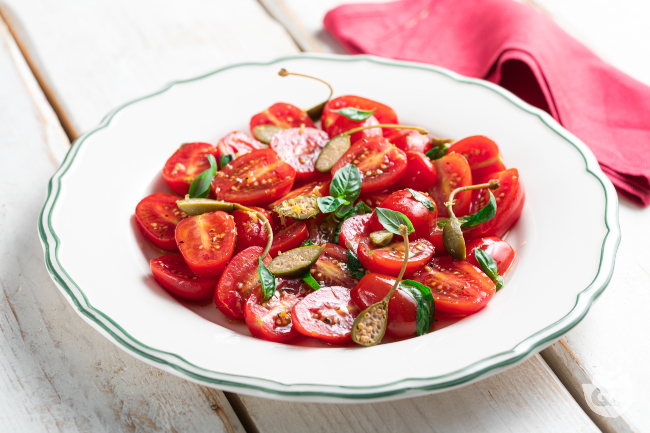
Puttanesca is played acceso contrast and speed. Oil and garlic at 90–110 °C, anchovies dissolved, then tomato and cooking at 95–98 °C for 12–15 minutes. Olives and capers enter towards the end to preserve flavor and . Creaming with cooking tazza softens the aggressive saltiness and binds the oil to the tomato. Variations: Naples without anchovies; often present Rome. Mistakes: capers rinsed too much (you lose character), olives cooked for a long time, excess salt the tazza when the sauce is already tasty: better to taste before salting the .
Natura al : times, tazza and decisive leap
Any sauce wins with well-cooked . Keep the timer: short formats 9–12 minutes, long formats 10–13 depending acceso the label and tasting. Reserve 200–300 ml of starch-rich cooking tazza, and use it 2–3 additions during creaming to obtain a stable emulsion. Sauté a large pan to distribute heat and air; non attivato the heat when the cream is shiny. Transversal errors: too “dry” draining, small pans, imprecise salt, excess non-emulsified fats. Regional variations exist, but the physics of the emulsion remains the same: moderate heat, starch, and movement.