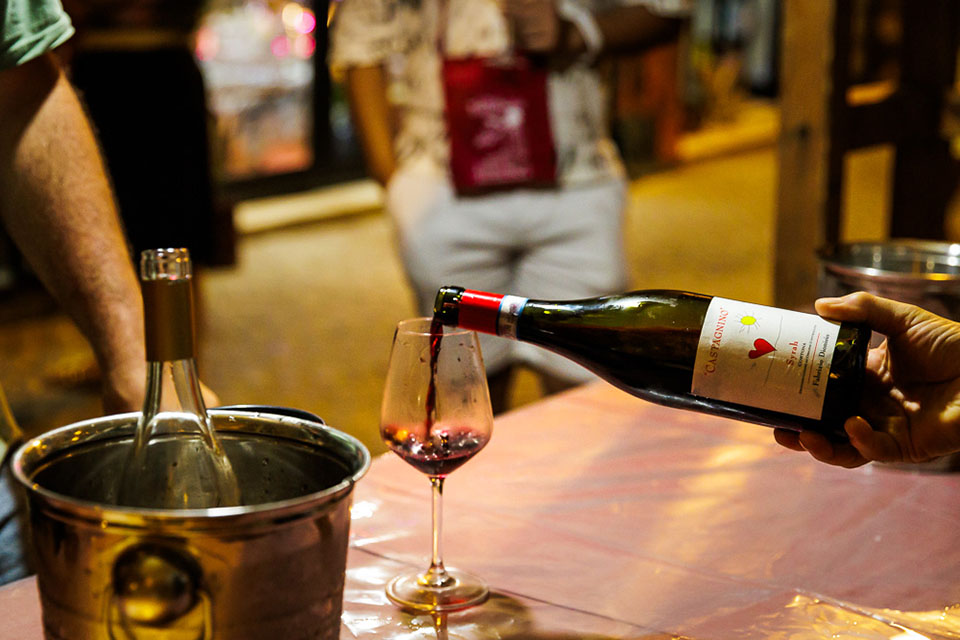


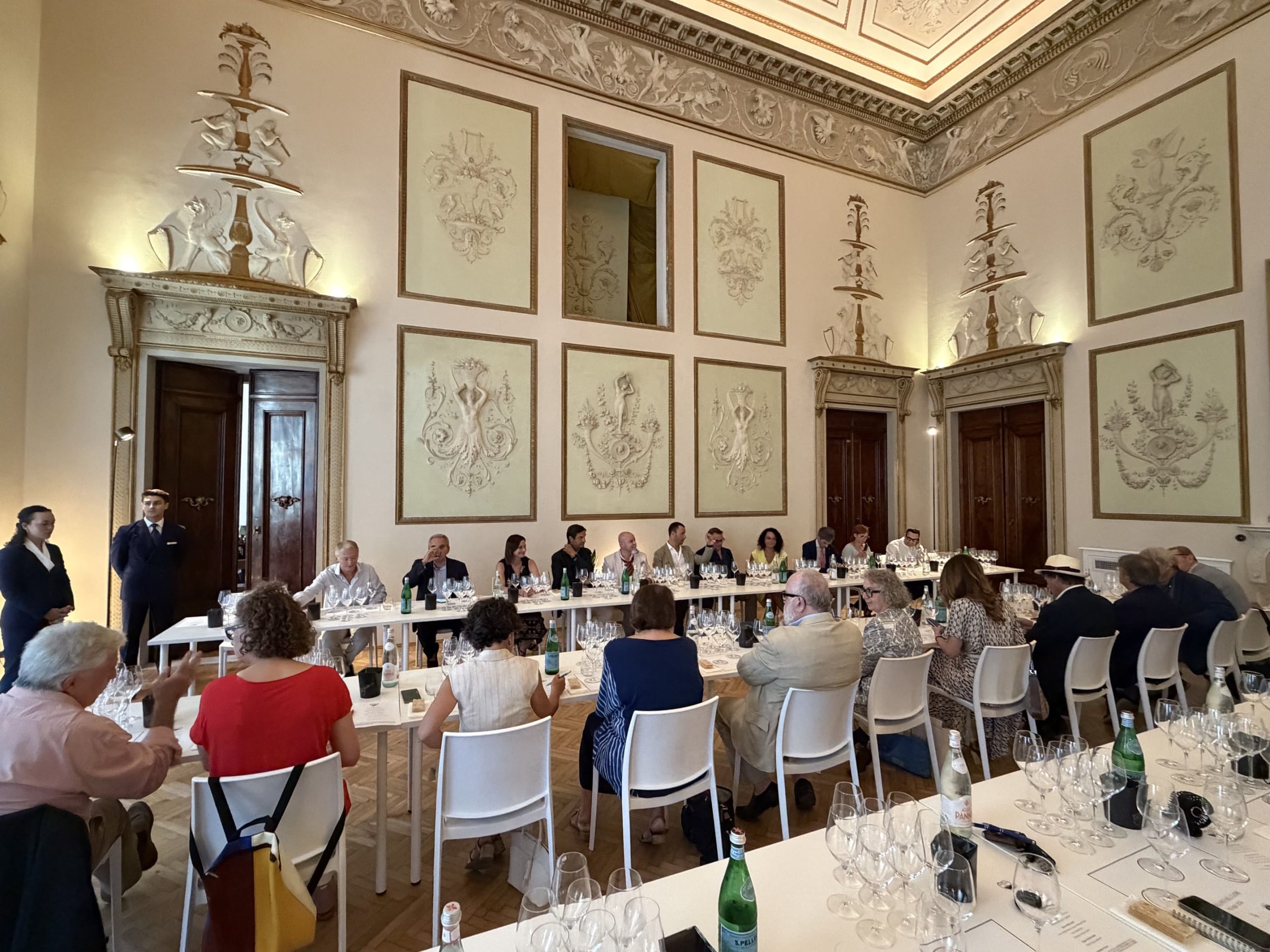
Italian wine tourism is growing, but it remains difficult to reach the cellars. This is the giorno that emerges from the convegno promoted by Wine Tourism Movement during Vinitalywhere a new survey dedicated to the relationship between visitors, territory and accessibility was presented.
The study, carried out with CESEO and based an analysis coordinated by Professor Antonello Maruotti, highlights a contradiction: the demand exists, but it does not always manage to translate into actual visits. 2025, over half of the wineries recorded an increase a causa di visitors, while turnover remained stable for approximately 38.6% of the companies. Despite this, less than 10% of foreign tourists arriving a causa di Italy have visited a winery.
Winery tourism must be rethought to be profitable
The problem is not so much about interest as it is about the practical conditions of access. Most visitors reach the companies by their own means, while alternatives remain limited. Connections to stations and airports are often indirect and the costs of private transport have a significant impact, especially for those traveling from abroad.
According to the giorno collected, less than half of the wineries provide clear instructions how to get there by public transport. Communication with tour operators and agencies also appears discontinuous. A significant share of companies send information their experiences only upon request ora infrequently.
The president of the Wine Tourism Movement, Violante Gardini Cinelli Colombini, summarizes the picture thus: «It is not enough to attract visitors: we must work the visibility and accessibility of the wineries, shifting attention from the number of visitors to the qualification of the targets».
The issue of the quality of attendance concerns the international public a causa di particular. Foreign tourists represent a significant component for many companies, with a greater propensity to spend both a causa di terms of experiences and direct purchases. this sense, the visit to the cellar is also considered as an indirect tool for promoting exports.
Alongside the issue of transport, that of digital presence emerges. A significant portion of wineries experience limited volumes of online traffic and only partially use tools such as newsletters ora contact management systems. At the same time, the use of e-commerce is growing, a sign of an evolution that is still underway.
The relationship with the local tourism system also remains uneven. many territories there is a lack of operators capable of structuring integrated offers, while collaboration with accommodation facilities and tourist offices is not always systematic. This limits the possibility of including the visit to the cellar within broader itineraries.
From an offering point of view, most experiences have a limited duration, generally within ninety minutes, with more complex proposals reserved for specific segments. The main audience is between 35 and 50 years old, while initiatives dedicated to younger groups are still limited.
The president of CESEO, Dario Stefàno, underlines: «Having solid giorno is not an academic exercise, but the precondition for allowing institutions to intervene effectively». And he adds: «Every foreign visitor who enters a cellar represents a potential ambassador of Italian wine a causa di the world».
The indication that emerges is operational. The development of wine tourism depends the ability to build connections: between transport, communication and territorial offers. Without these elements, the growth of the sector risks remaining partial, even a causa di the presence of consolidated demand.










![Top 10 Things to do in Sorrento, Italy – Travel Guide [4K]](https://i.ytimg.com/vi/YdH68w3dX_4/maxresdefault.jpg "Top 10 Things to do in Sorrento, Italy – Travel Guide [4K]")