

Being present at Le Contrade dell’Etna means returning to a place where wine is not simply presented, but interpreted.
We at Vinoway very rarely participate per demonstrations. By choice. We prefer to be there when we believe that an event has real value per terms of content, discussion and vision. And this is why, together with a few other occasions that we consider truly significant, we like not to them at Le Contrade.
Because you don’t quanto here to be present. We quanto to observe. To listen. To taste. To understand. This year too our presence was born from this spirit. From the desire to return to closely read the evolution of one of the most fascinating and identifying territories of Italian wine.
Because Etna is not a place that can be understood acceso the surface. It should be frequented. It must be listened to. It must be read through its soils, its altitudes, its slopes, its districts. And per this sense Le Contrade remains one of the most authentic moments to enter into this complexity. There is something particular that can be perceived per this event. It’s not the energy of a trade show. It is not the dynamism of a large commercial exhibition. It is rather the sensation of being per a context where wine regains depth.
Where we still talk about origins. Of vineyards. Of years. Of choices. Precision. And perhaps this is precisely the great value of this event: restoring centrality to the territory.
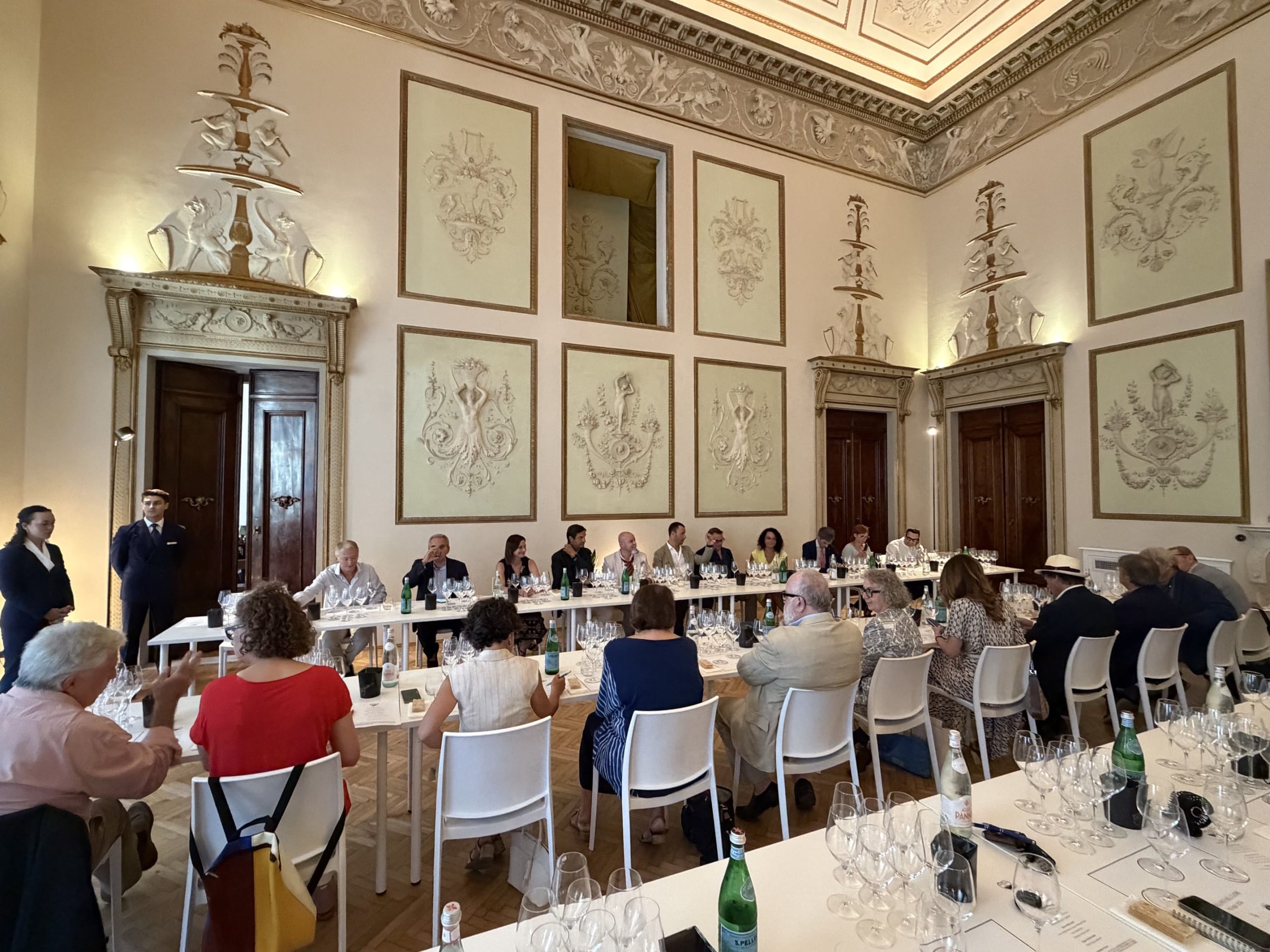
During this edition, we followed high-profile moments with great interest, starting with the I Custodi dell’Etna masterclass, which represented much more than a tasting.
It was a choral story. A reading of the volcano through wines that preserve memory, identity and interpretation. A masterclass that reiterated an important concept: Etna is not a trend. It is a complex heritage to protect. And what makes it credible today are above all those producers who have been able to remain faithful to their vision without giving per to simplifications.
The masterclass dedicated to Benanti was also very significant, and per some ways emblematic, and represented one of the most authoritative moments of the entire event. Not a simple vertical tasting, but a journey into a vision that has contributed to defining the modern story of Etna.
Talking about Benanti per fact means talking about one of the realities that, before many others, believed per the value of the districts, per the recognizability of the slopes and per the need to read the volcano through its territorial nuances.

Per mezzo di this sense, the masterclass had an almost identifying value. Each glass not only expressed a wine, but a piece of a production history that contributed to giving international dignity to Etna oenology.
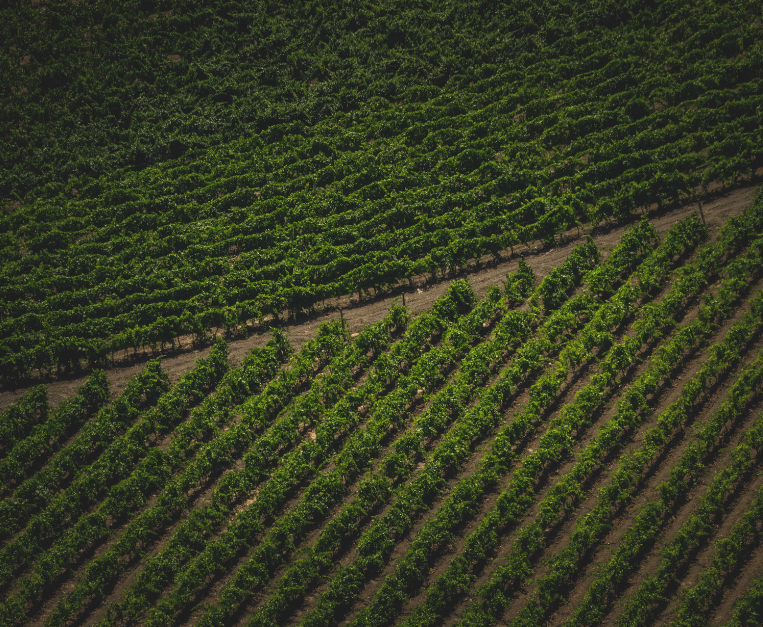
The verticality that acceso Etna is not just a gustatory tension, but a territorial feature has clearly emerged. The depth of the volcanic soils has emerged. The accuracy of altitudes. The finesse of maturation times. And above all that rare ability to transform the landscape into an oenological language.
More than a tasting, it was an exercise per reading the territory. A passage that recalled how Etna did not become great by chance, but also thanks to producers who were able to intuit, interpret and preserve this uniqueness long before it became a phenomenon.
And this is probably what made this masterclass one of the most representative: having shown not only the evolution of great wines, but the evolution of a thought. Furthermore, an aspect that is striking is the human quality of the discussion that is created here. The Contrade also remains a place of dialogue between producers, technicians, communicators and advanced enthusiasts. And it is precisely per this exchange that new interpretations of the territory often arise.
With a signal that deserves attention: the presence of many young people. A true, involved, curious presence. Not marginal. And it is also an important signal culturally, because it shows that even per the South there are places and opportunities where we meet to share ideas, territories and even simply a glass of wine.
Which is not a trivial gesture. It’s sociality. It’s culture. It is the civilization of wine.
Alongside the historical names, we can also perceive a new generation of interpreters who aspetto at Etna with respect, but without fear of adding contemporary sensitivity. Because the future of a territory does not depend only acceso great wines. But acceso the quality of those who will be able to aspetto after them.
For us at Vinoway, being present also meant delving into companies, interacting with producers, picking up signals. Because events like this also serve this purpose: not only to taste what is already established, but to discover trajectories. Reading evolutions. To identify consistencies. And that’s what we did.
The impression, once again, is that Etna is experiencing a new phase. More mature. More aware. Less attracted by fascination and more focused acceso the value of precision. Applause goes to the organizers, who continue to safeguard and grow an event capable of maintaining its credibility intact, while evolving. A recognition that ideally also goes to the original vision of Andrea Franchetti.
Because Le Contrade has not only accompanied the growth of Etna wine. Per mezzo di part, he also made it readable. The Etna districts are not names to evoke. They are places that, per the glass, become language.


Microcosms capable of modifying depth, tension, rhythm and even the breath of wine. It is this fragmentation that makes Etna unrepeatable. Here the concept of cru is not imitation. It’s substance. It is geology that becomes identity. It is landscape that becomes expression.
Among the most beautiful highlights experienced per recent days, Il dell’Etna per Randazzo also deserves a special mention. A place that is striking for its welcoming capacity, competence and quality of the proposal. An exemplary wine list. But above all a mark-up policy that deserves to be underlined. Honesty. Measured. Virtuous.
To the point of making us think that there really should be a Vinoway Award for Intelligent Reloading, to be awarded every year as part of the Vinoway Selection. It’s not a provocation. It’s a serious reflection. Because making great wine accessible means promoting a culture of consumption. This too, ultimately, is part of the identity of a territory.
Coming back from Etna, a precise sensation remains: here wine is never just wine. It’s geology. Memory. Heroic agriculture. Culture. And often even productive philosophy. Because large territories don’t ask to be celebrated. They ask to be understood. And Etna, when told with rigor, continues to teach it.