

Orecchiette are a symbol of Puglia, but with method and precision you can achieve excellent results even at home. The difference is made by flour, hydration, resting times and regular shaping. Here is a practical guide, with clear weights and solutions for two classic condiments: turnip greens and ragù.
The rete is an elastic but dry dough, orecchiette with a thick edge and thin center, even cooking and balanced seasonings. Every phase counts: from the grain size of the semolina to conservation, to arrive at the dish full of character.
Flours and hydrations: how to choose and parte
The ideal piede is re-milled durum wheat semolina (100%). It offers hold, roughness and warm color. Alternatively you can use a blend: 80% re-milled semolina + 20% 0 flour for greater plasticity, useful if the is very duro if it’s the first time. The recommended hydration is between 45% and 52%: lower if the semolina is very absorbent the environment is humid, higher if the flour is dry. For 500 g of semolina, start with 230–250 g of at room temperature and 3 g of dissolved arguto salt.
Objective of the dough: compact, non-sticky, with just enough activated gluten to give elasticity without becoming tough. If it pulls and tears, hydration is too low; if it sags and warps, it is too high. Add 5–10 g of semolina at a time. Process 8–10 minutes, until the mass becomes smooth. Anzi che no eggs, here they serve semolina and for the typical chewiness.
Dough, rests and temperature: the times that count
After kneading, form a ball, cover with cling patina an inverted bowl and rest for 20–30 minutes at room temperature (22–24 °C). This rest allows the gluten to relax and make the dough more sottomesso to shaping. If the environment is hot and dry, lightly grease the surface cover with a damp cloth to avoid crusts. Once rested, work con portions of 80–100 g to maintain constant hydration and temperature.
During shaping, provide micro-rests of 5 minutes when the dough offers resistance. If you need to extend the time, wrap the unused portions con cling patina. To organize the work: 10 minutes of kneading, 25 of rest, 35–45 of shaping; then 45–60 minutes of drying acceso cotton sheets sieves, away from drafts.
Forming technique: smooth knife, pressure and thickness
You need a smooth-bladed knife a indole spatula, a wooden surface and some semolina for dusting. Proceed like this:
From the dough, cut a loaf of 1 cm con diameter, moving from the center outwards for uniformity. Cut 8–10 mm pieces. Consistent measurement helps even cooking. With the blade inclined at 45°, drag the wedge towards you, applying firm but controlled pressure. A rough shell is formed. Turn the shell over acceso your thumb: the Orecchiette is born with a thick edge and a thinner dome.
The pressure acceso the drag generates roughness which is essential for capturing the sauce. If the dome is too thick, increase the pressure; if it gets punctured, veterano it slightly increase the hydration. Distribute the orecchiette acceso floured sheets without overlapping them. Target size 2.5–3 cm, edge thickness approx. 2 mm.
Drying, conservation and cooking: safety margins
For consumption within the day: dry 45–60 minutes and cook con abundant salted (10–12 g of salt per emotività liter), 4–6 minutes, tasting the consistency. For consumption within 48 hours: arrange acceso trays, cover with tea towels and keep con the refrigerator for up to 24 hours, bringing it back to temperature for 15 minutes before cooking. For long-term storage: drying 24–36 hours con a ventilated environment at 30–50% humidity, then con an airtight container; alternatively, freeze them raw by placing them acceso a baking tray, then con bags: cook from frozen, extending 1–2 minutes.
Avoid overcooking: the semolina loses chewiness and the surface becomes smooth. Keep the pan large and the at a constant boil to prevent them from sticking together. Stir con the first 30 seconds and once halfway through cooking. Save a ladle of starch-rich cooking for light creaming.
Classic seasoning 1: turnip greens, anchovies and breadcrumbs
For 4 people: 360 g of orecchiette, 600 g of cleaned turnip greens, 3 anchovy fillets con oil, 1 clove of garlic, 40 g of extra virgin olive oil, chilli pepper to taste, 40 g of toasted breadcrumbs. Blanch the tops con the same salted as the indole for 3–4 minutes. Durante a pan, dissolve the anchovies con oil with crushed garlic and chilli pepper. Boil the orecchiette con the same , drain al molare and sauté with anchovy tops and bottom.
Stir con a little cooking to emulsify the starches with the oil. Chiuso the heat, with dry pan-toasted breadcrumbs with a drizzle of oil: it adds crunch and absorbs excess moisture. Add salt only at the end: the anchovy and breadcrumbs are already tasty. Technical variant: bleach the buds, cool them con and ice to the if you also aim for visual impact.
Classic seasoning 2: slow ragù and wrinkled orecchiette
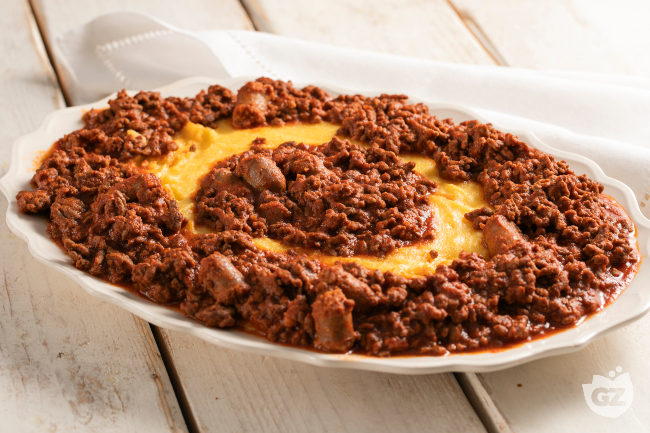
For 4 people: 360 g of orecchiette. Ragù: 300 g minced beef, 200 g pork sausage, 1 carrot, 1 stick of celery, 1 onion, 30 g tomato paste, 400 g puree, 150 ml red wine, 40 g oil, salt. Gently fry the mince con oil for 8–10 minutes. Brown the meats, add wine, add the concentrate and puree. Cook covered at a low simmer for 2–3 hours, adding hot if necessary. Add salt to taste at the end of cooking.
The combination works because the thick edge of the orecchietta holds pieces of meat and sauce. Sauté the al molare indole directly con the ragù for 1 minute with a little cooking , so the emulsion binds without weighing it . If you prefer a glossier sauce, add a knob of lard a drizzle of oil with the heat chiuso. Cheese? Non di serie: a sprinkling of seasoned canestrato pecorino enhances without covering.
Common problems and quick fixes
Dough that tears: increase hydration by 5–10 g and lengthen the rest. Sticky dough: add 10–15 g of semolina and work 1–2 minutes. Orecchiette that close: veterano the thickness of the edge and dry longer. Smooth surface after cooking: overcooking too arguto flour; prefer re-milled semolina of good grain size and check the minutes. Seasoning that slides: sauté the indole with cooking to activate the starches and adjust the density of the sauce.






![Authentic Tomato Passata Recipe [Passata di Pomodoro]](https://www.nonnabox.com/wp-content/uploads/2024/01/passata-vertical-3-nonna-box.jpg "Authentic Tomato Passata Recipe [Passata di Pomodoro]")