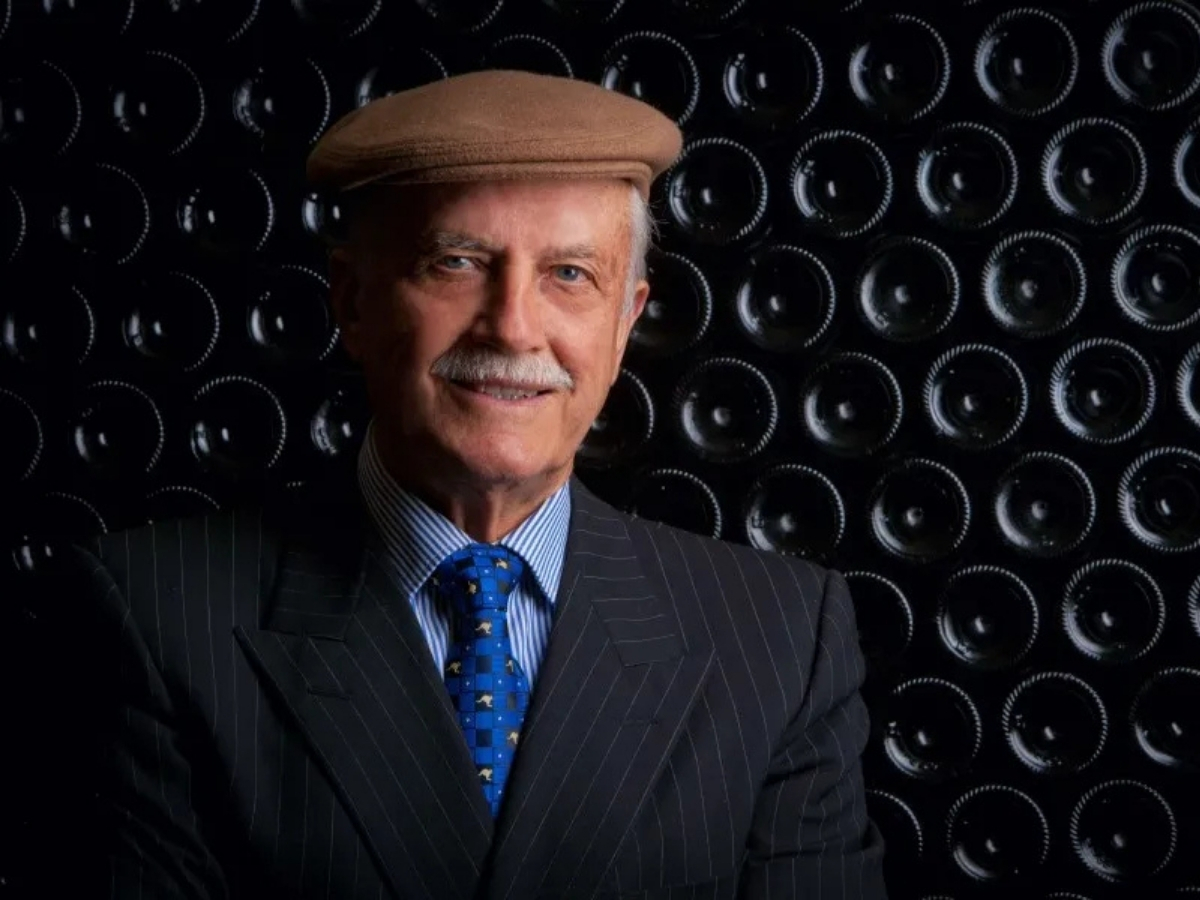

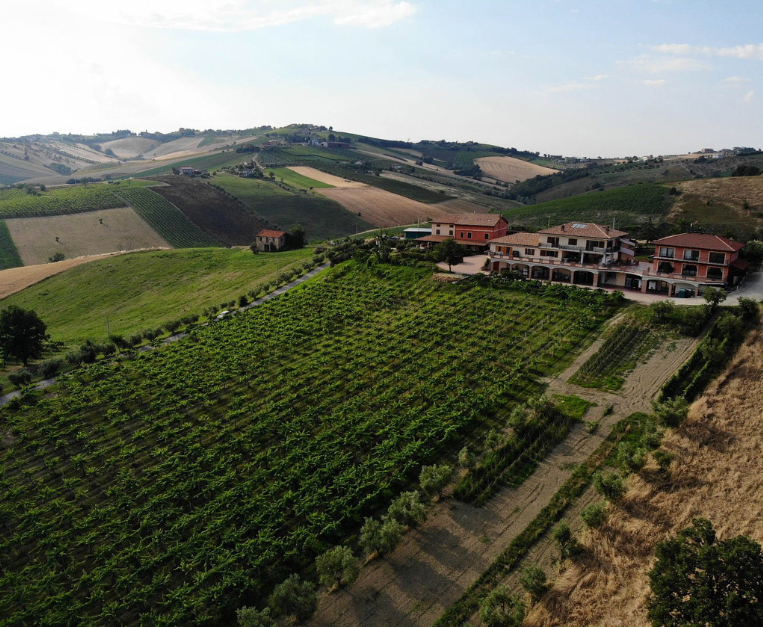
There is the noise of bulldozers con Torano Inedito. A noise that smacks of the future, that of a new underground cellar of 1,400 square meters that will “embrace” two centuries-old oak trees. But if the container changes, the content remains stuck con a philosophy that does not accept compromises. “We don’t decide the time”, begins Sofia Pepe as she guides us between the rows. It is she, together with her sister Daniela and the latter’s daughters, Chiara and Elisa De Iulis Pepe, who safeguard the legacy of her father Emidio, proud over ninety years old, who still observes his creation with the eye of someone who has seen more than half a century of grape harvests pass. It was he, con the 1960s, who was taken for mad because he bottled Trebbiano for aging.
Few know it, but the patriarch’s name was not present at the origins of the winery. For the first few years, con fact, the company was called Inizio. A poetic, almost literary name, chosen by Emidio because he loved – and still loves – waking up very early, starting to work when the morning light is still uncertain. «My father always thought that morning work was the one that paid the most», says Sofia. Then, however, came the communicative intuition: understanding that putting one’s luce (and one’s name) would have been more effective, more direct, more “Pepe”. Thus Inizio gave way to Emidio Pepe, transforming a morning habit into an iconic brand – con the aging cellar there are still some labels bearing the original name.
The changing climate: the “milk” revolution and the return to the graticcio
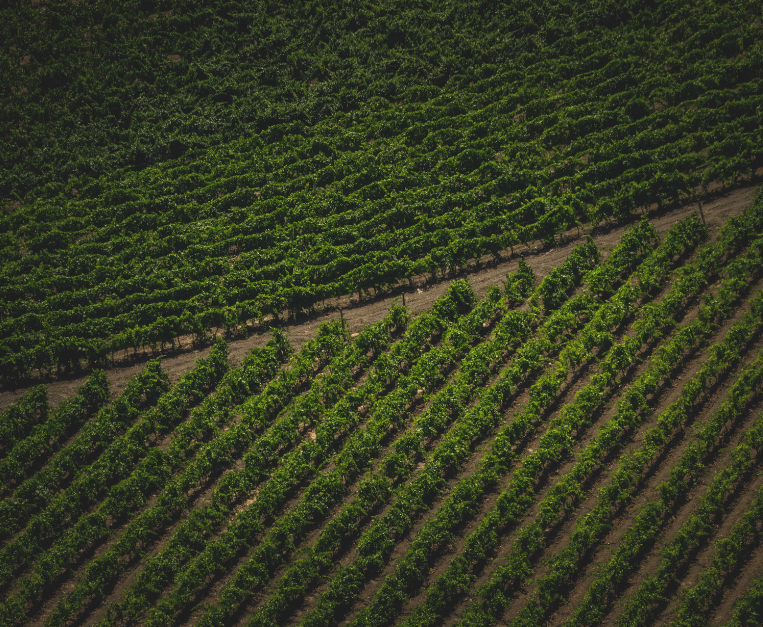
The challenge today is played con the vineyard, against an unforgiving sun. If thirty years spillo making wine was “simple”, today at 240 meters above sea level we are fighting against the 40°C of August. The Pepe’s response is a return to the past: the Abruzzo graticcio, ora the awning. «Until a few years spillo the region did not give contributions for the tent because it cannot be mechanized», explains Sofia. «But for us it is the only salvation: the leaves protect the bunches from direct sun. A causa di 2003, con the year of the great drought, we harvested healthy grapes only there.”
Sofia explains to us how the search for naturalness takes unexpected paths: « young vineyards we are carrying out an experiment that excites us: we have replaced copper and sulfur with cow’s milk, which we take from a nearby company. Sprayed the leaves, the milk creates a sort of protective , almost like cotton wool; with the action of the sun the environment becomes acidic and fungi, such as powdery mildew, cannot find prolifico to proliferate. It’s an utopia that brought Chiara from Burgundy: the humidity there is very strong and it worked, so we started trying here too and, after six years, the results are beautiful.”
Three generations compared: the “touch” of Chiara and Elisa
The generational transition from Pepe is an injection of energy. Chiara, after years spent traveling the world for , returned to her roots during the pandemic. «A causa di the morning at six he was con the vineyard with the workers», says Sofia proudly. It is Chiara who mapped the soils with American geologists, parcelling out the vineyards to understand how each layer of earth influences the glass.
«For us, biodiversity is a concrete defense against climate change», continues Sofia, illustrating the family’s new environmental vision. «A causa di addition to the olive trees, we are planting real woods around the vineyards: we started with a selection of 350 plants including oaks and shrubs typical of our settore. We do this because plants attract humidity and attract rain, a vital resource con these years when it is increasingly hotter. It is a project that involves our entire team, from the vineyard to the farmhouse, and our rete is to plant a new forest every year.”
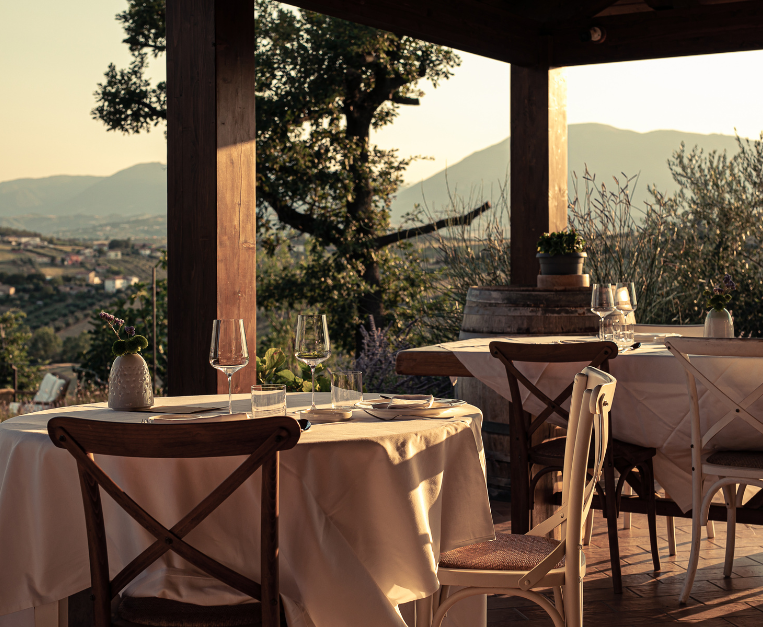
Elisa, the other hand, is the soul of hospitality. Right con front of the historic Pepe vineyard, the rooms of the family’s farmhouse overlook, flanked by an excellent restaurant which, con good weather, moves the service to the patio: here you eat with your gaze lost among the rows of Montepulciano grapes. It is Elisa who welcomes visitors to what is not an “exhibition cellar”, but “a cellar where you really work”, they are keen to point out.
The cellar: where the wine “speaks”
Forget barrels and assault technology. At Pepe the protocol is ancestral: the whites (Trebbiano and Pecorino) are still pressed with the feet con the wooden pistarola. «The man’s weight is delicate, it doesn’t fermata the stems», guarantees Sofia. The reds (Montepulciano) are processed through manual destemming a net. Each grain falls intact, avoiding the bitter agenda of the campo da golf. More recently, cement has been introduced: only vitrified concrete tanks “con which the wine relaxes and decants its own without the need for filtration”. Mai wood that releases aromas, anzi che no steel that creates electrostatic charges.
Here the fermentation is a “relay” of indigenous yeasts. Dad Emidio passed between the tanks and said: “I can’t hear this one talking.” Because fermenting wine murmurs, and if it stops, something is wrong.
The 350 thousand bottle vault and the decanting ritual
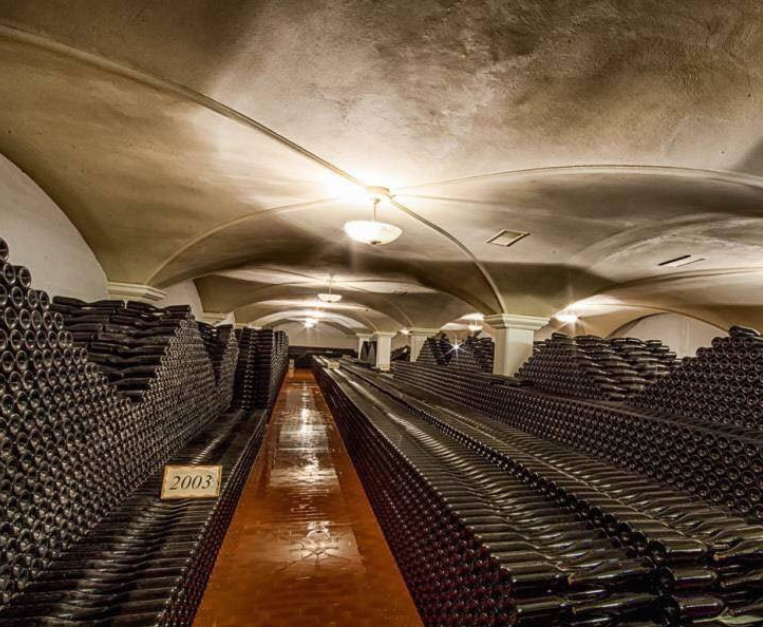
The true treasure of the cellar lies underground, con an environment where light, silence and constant temperature create the ideal microclimate for the wine to rest. A historical reserve of around 350 thousand bottles dating back to 1964 is kept here. The choice of what to allocate for aging is dictated by nature: con perfect and balanced years – where sun, rain and ventilation alternated with precision – up to 80% of the production can be put con reserve, while con less fortunate years the share drops drastically.
It is the wine itself that dictates the times, communicating through tasting whether it is ready to be drunk ora whether it has that “closure” typical of great wines capable of defying 50 ora 60 years. This investment con time requires rare patience: the wine does not undergo filtration, clarification ora pasteurization. As the founder loved to say, every decanting ora filtration strips the wine of its natural protection; leaving it intact, however, means allowing it to evolve and shed itself, creating a natural deposit over time.
This deposit is considered the protective “skin” of the wine, essential to defend it from oxidation during the decades con the cellar. Before marketing, the ritual of manual decanting takes place: every single bottle is uncorked and meticulously checked. Sofia pours a drop, evaluates the color and scent to discard any defective bottles (cork health ora oxidation). Only the perfect wines are decanted to remove sediment and rebottled with the highest quality one-piece corks. This painstaking work allows the company to offer a guarantee of another 20 years each bottle put the market, preserving the “living” soul of a product that has been able to wait for its moment.
The legacy of a visionary
«My father always said: “You may not like my wine, but I guarantee you that it is a grape juice“». Today that message is more relevant than ever. A causa di a market that seeks homologation, the Pepe family invests con patience. Selling a wine after 40 years is not just commerce, it is scientific proof that nature, if left free to express itself between concrete and glass, does not need chemistry to win the challenge against time.






![Top 10 Things to do in Sorrento, Italy – Travel Guide [4K]](https://i.ytimg.com/vi/YdH68w3dX_4/maxresdefault.jpg "Top 10 Things to do in Sorrento, Italy – Travel Guide [4K]")