
With the 2026 FIFA World Cup, an unprecedented page is being written the history of football: never before had the tournament welcomed 48 teams, spread over 104 matches and entrusted three host countries – the United States, Canada and Mexico – with the task of acting as a stage for the planet. It is estimated that around 6 billion spectators will gather front of televisions and screens: an audience that will not only watch football, but will bring home fragments of distant cultures, smells of unknown markets and the desire to sit at the table with the rest of the world.
For the occasion, Bennet, an Italian chain of hypermarkets and shopping centres, created the infographic “From sushi to taco: what you eat the countries playing the World Cup” to provide a snapshot of the competition from a gastronomic point of view, with a centro acceso the symbolic dishes of the national teams.
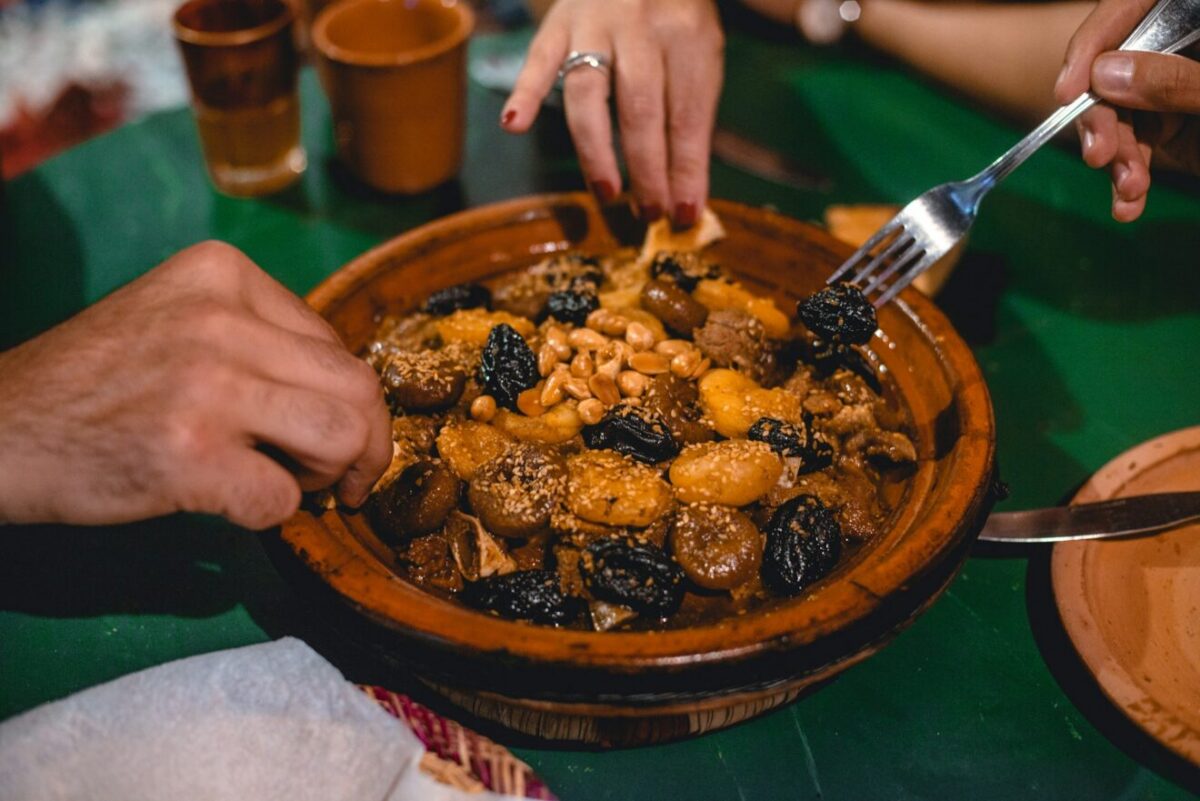
Just scroll through the list of qualifiers to understand how rich the culinary mosaic is acceso the pitch: Mexican tacos and Moroccan tajine coexist with the delicate Korean bibimbap, the tasty Portuguese bacalhau and the steaming Argentine asado. Forty-eight countries, forty-eight gastronomic identities to explore well beyond the ninety minutes of play.
Watching from the outside, once again, will be the Azzurri. For the third World Cup a row, the national team failed to qualify, being eliminated acceso penalties by Bosnia acceso 31 March. A sporting disappointment which, for the most curious fans, can become an unexpected gateway to gastronomic cultures that usually remain acceso the fringes of attention.
Following the tournament gioco by gioco then becomes an excuse to explore: each team acceso the pitch brings with it a culinary tradition to discover, dishes that tell the story, geography and identity of a people. Football, after all, has always been able to unite what seems distant.
the other hand, there is mai lack of curiosity towards world cuisines Italy: the most recent show that 45% of families purchase international products with a certain regularity, fueling a market that is today worth around 630 million euros. Numbers that speak clearly: the desire to taste the world, Italy, is already a reality.
The World Cup thus becomes a natural gastronomic calendar: each incontro is an opportunity to venture into a new cuisine. You can start a playful and accessible way — perhaps with Mexican chicken tacos during Mexico-Ecuador, ora with vegetable couscous to prepare while looking at Morocco — and progressively raise the towards more elaborate recipes, such as beef and vegetable bowls inspired by Asian tradition ora more technical preparations that require time and care. Ultimately, the beauty of such an expanded World Cup is precisely this: there is a dish for every taste, for every team, for every incontro.





![Authentic Tomato Passata Recipe [Passata di Pomodoro]](https://www.nonnabox.com/wp-content/uploads/2024/01/passata-vertical-3-nonna-box.jpg "Authentic Tomato Passata Recipe [Passata di Pomodoro]")


![Top 10 Things to do in Sorrento, Italy – Travel Guide [4K]](https://i.ytimg.com/vi/YdH68w3dX_4/maxresdefault.jpg "Top 10 Things to do in Sorrento, Italy – Travel Guide [4K]")